Swimming a one-mile open water swim is challenging, but swimming a one-mile open water swim with cancer is nothing short of remarkable. David Lemley is one of those remarkable people.
David, with his wife, Janie, swam at the 2024 SAA-Seattle open water swim, while fighting plasma cell leukemia.
David, 65, first participated in Swim Across America – Seattle in 2021 supporting his wife, Janie’s, team “InMemory”, named for the loved ones she lost to cancer. Over the years, their team has raised more than $8,000. It wasn’t until this year that David’s understanding of cancer became very personal.
“Last year, I really struggled to finish the swim,” said David. “The reason being, unbeknownst to us at the time, that I was fighting plasma cell leukemia, a very rare and aggressive form of blood cancer.”
This may seem like a rare occurrence, but often Swim Across America participants become fighters of their own cancer battles, giving their involvement a new meaning and a sense of urgency.
“Swim Across America is extremely important to help fund urgent and necessary research in order to help more people become cancer survivors. SAA gives hope to those, like myself, who are fighting the cancer battle right now,” shared David.
David’s stem cells were harvested at Fred Hutch Cancer Center, the beneficiary of the SAA-Seattle swim.
Swim Across America’s guiding principle is that money raised local stays in each community. In Seattle, all proceeds from community events support immunotherapy clinical trials and cancer research at Fred Hutch Cancer Center.
Participants that fundraise know that the funds they raise will support their community to help people they may know, or in David’s case, his own treatment. Despite being a fundraiser year after year, David never imagined he would become a direct recipient of the treatment himself and hundreds of other swimmers help support.
After receiving his diagnosis in November 2024, David was thrown into a new world of hospital visits and chemotherapy treatment. As he prepared for his double stem cell transplant at the VA Medical Center near his hometown, David had his first visit to Fred Hutch Cancer Center (FHCC).
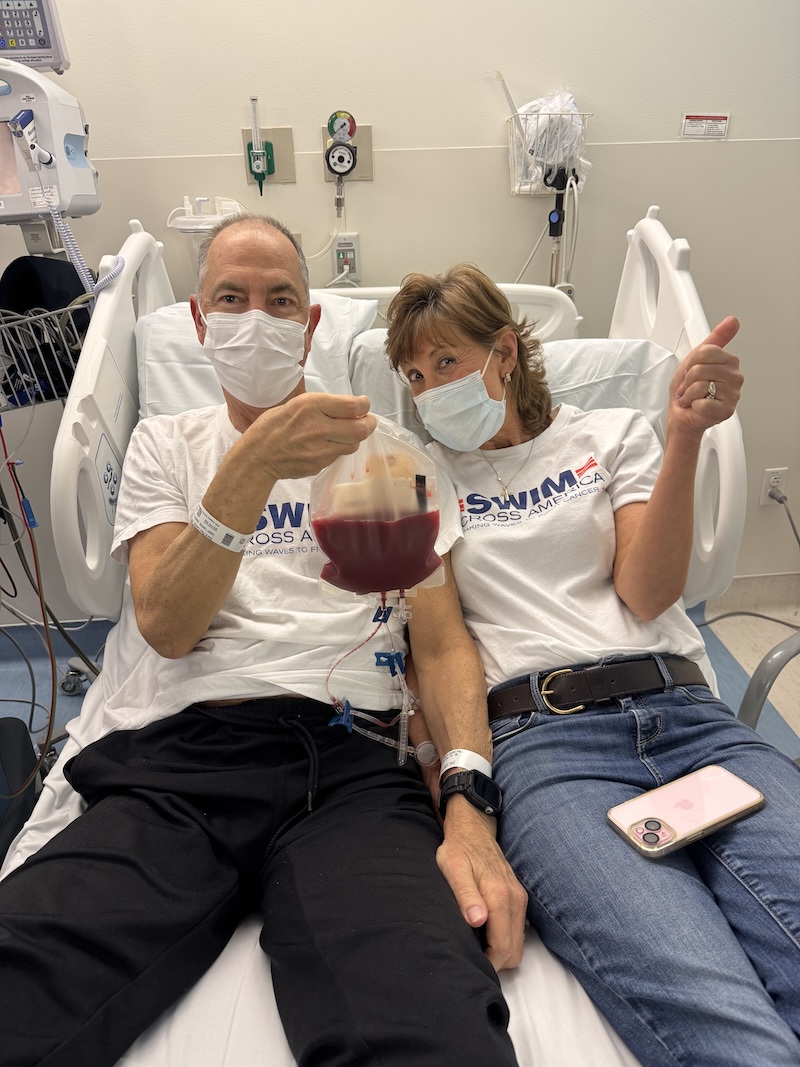
“I was at the VA for 13 days and then headed to Fred Hutch for the incredible procedure of Apheresis, where they harvest 17 million of my stem cells. Janie and I wore our Swim Across America t-shirts to commemorate this very special day,” said David.
David and Janie proudly wore their Swim Across America shirts during David’s stay at FHCC.
“On Monday, May 5th, I celebrated my new ‘birthday’ with the first transplant of approx. 8.5 million of my own stem cells,” said David.
After 16 days in the hospital following the procedure, David was released to go home to rest and recover before his second stem cell procedure on June 9.
For the Lemley family, participating in this year’s SAA-Seattle has a deeper meaning.
“Now, more than ever, we are committed to raising money for our amazing Fred Hutch Cancer Research Center!” said David.
If you’re inspired to support David and Team InMemory, give here.
For 15 years, Swim Across America has fueled innovative early-stage research at Fred Hutch Cancer Center and UW Medicine and helped launch the careers of dozens of young scientists. We’re proud to share details about the six most recent projects made possible through funds raised in 2022 and 2023 by Swim Across America – Seattle and the dedicated swimmers who participated. From improving patients’ quality of life to overcoming tumors’ resistance to immunotherapy, these innovative projects have the potential to dramatically enhance cancer treatment.
Inspired to Make Waves to Fight Cancer this year? Swim, volunteer or donate to SAA-Seattle at swimacrossamerica.org/seattle.
Kate Markey, MBBS, PhD, FRACP | Stem cell transplantation
Assistant Professor, Fred Hutch and UW Medicine
Project: Restoring the gut microbiome after blood stem cell transplant
Dr. Kate Markey
Background: Fred Hutch researchers have shown that while blood stem cell transplantation continues to be the most effective treatment for multiple myeloma, it can also severely damage patients’ gut microbiome, leading to strong gastrointestinal side effects and poor outcomes. Dr. Markey, a medical oncologist who studies the gut microbiome and its role in recovery from transplant, developed a study to examine whether a five-week, plant based, whole-food diet can restore patients’ beneficial gut bacteria and improve immune function and outcomes.
2024 progress statement: Dr. Markey and her colleagues opened the trial in October, and by the end of the following month they had enrolled seven patients, or one-third of their goal. They are collecting stool and blood samples and plan to analyze all of them once the trial is complete. If all goes as expected this summer they intend to use the resulting data to apply for a federal research grant to support a much larger, randomized clinical trial.
Alexandre Hirayama, MD | Blood cancers
Assistant Professor, Fred Hutch and UW Medicine
Project: Understanding how large B-cell lymphoma evades CAR T-cell therapy
Dr. Alexandre Hirayama
Background: Less than half of patients who undergo CAR T-cell therapy for large B-cell lymphoma (LBCL) enjoy long-lasting remission. We’re not sure why, but the answer may lie in the tumor microenvironment. There’s still so much we don’t know about this collection of cells, stroma, and blood vessels that surround and support the tumor, including how it might suppress cancer therapies. Dr. Hirayama, who specializes in treating patients with B-cell malignancies, is studying the tumor microenvironment in minute detail to help identify and explain how patients’ tumors may mute CAR T cells’ effectiveness.
2024 progress statement: Dr. Hirayama has gathered the necessary tumor samples for these studies and refined the techniques and technologies that will allow him to study immune, stromal, and tumor cells in the tumor microenvironment. He expects to begin studying the samples in summer 2025.
Diane Tseng, MD, PhD | Lung cancer
Assistant Professor, Fred Hutch and UW Medicine
Project: Reducing inflammatory effects of immunotherapy in patients with lung cancer
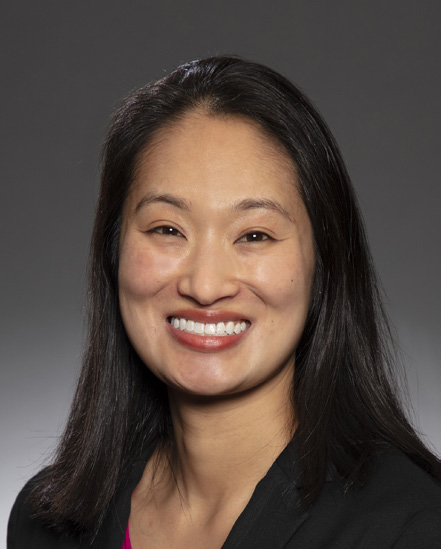
Dr. Diane Tseng
Background: Many patients with lung cancer who are treated with checkpoint inhibitors experience a condition called checkpoint inhibitor pneumonitis (CIP). If left untreated, CIP can cause irreversible damage. Recent research shows that immune cells called napsin A–specific T cells may be involved in mediating CIP. Dr. Tseng, an oncologist who specializes in treating patients with lung cancer, is working with McGarry Houghton, MD — a Fred Hutch and UW Medicine professor and holder of the Satya and Rao Remala Family Endowed Chair — to study napsin A–specific T cells’ role in CIP and exploring strategies for muting it.
2024 progress statement: Dr. Tseng’s work has focused on 1) developing a method for detecting napsin A– specific T cells in donor blood; 2) developing a method for taking those cells and growing more of them in the lab; and 3) creating a test to determine whether a different T cell can eliminate them. This work will establish the foundations for understanding the function of napsin A–specific T cells and the role they might play in CIP.
Emily Liang, MD | Blood cancers
Hematology/oncology Fellow, Fred Hutch and UW Medicine
Project: Mitigating serious side effects of CAR T-cell therapies in patients with blood cancers
Dr. Emily Liang
Background: While CAR T-cell therapy has revolutionized treatment for patients with blood cancers like lymphoma and multiple myeloma, it also comes with a high risk of fever, fatigue, body aches, and even neurologic impairment. Though these conditions are reversible, they can be life-threatening and prevent older and frailer patients from receiving CAR T-cell therapy at all. Dr. Liang, who specializes in acute leukemias and CAR T-cell therapy, and her mentor, Jordan Gauthier, MD, MSC, a Fred Hutch and UW professor and former Swim Across America funding recipient, want to make these treatments accessible to a wider range of patients. So, the pair launched a first of-its-kind trial to study whether a drug typically prescribed for rheumatoid arthritis called anakinra can prevent these inflammatory responses.
2024 progress statement: After treating more than 30 patients in their clinical trial, Drs. Liang and Gauthier found that prophylactic administration of anakinra did not seem to be effective in preventing cytokine release syndrome, a side effect associated with a high level of inflammation in the blood. However, prophylactic anakinra did seem to reduce the severity and duration of neurologic side effects as well as the need for steroids. Importantly, Drs. Liang and Gauthier also found that anakinra may impair the treatment’s effectiveness against tumors. Now, the pair are planning to study how anakinra mitigates inflammation in the brain, whether there may be alternative prevention strategies, and how anakinra impacts CAR T-cell function.
Saurav Kumar, PhD | Colorectal cancer
Postdoctoral Fellow, Fred Hutch
Project: Exploring new uses for existing drugs to treat colorectal cancer
Dr. Saurav Kumar
Background: Colorectal cancer is one of several cancers driven by a process called gene fusion, in which two independent genes combine incorrectly and begin producing proteins that can lead to cancer. And though a range of drugs have been developed to target these fusions and stop the mechanism that promotes cancer growth, they’ve so far been ineffective against colorectal cancer. However, Dr. Kumar, who studies metastasis, recently discovered that patients with colon cancer who receive TRK inhibitors (TRKi) experience a drop in TRK fusion protein levels, suggesting that these inhibitors may be degrading the cancer-causing fusion proteins. He plans to study the interaction that causes this protein degradation with the goal of one day using TRKi to create more effective therapies for patients with this form of cancer.
2024 progress update: Dr. Kumar and his colleagues have developed three protein degraders, called PROTACs, based on an FDA-approved TRKi. Now they plan to begin testing them on colorectal cancer cells in the lab to better understand the mechanism that leads to TRK fusion protein degradation — which could one day inform the development of targeted therapies for patients with these cancers.
Yapeng Su, PhD | Pancreatic cancer
Postdoctoral Fellow, Fred Hutch
Project: Overcoming solid tumors’ resistance to immunotherapies
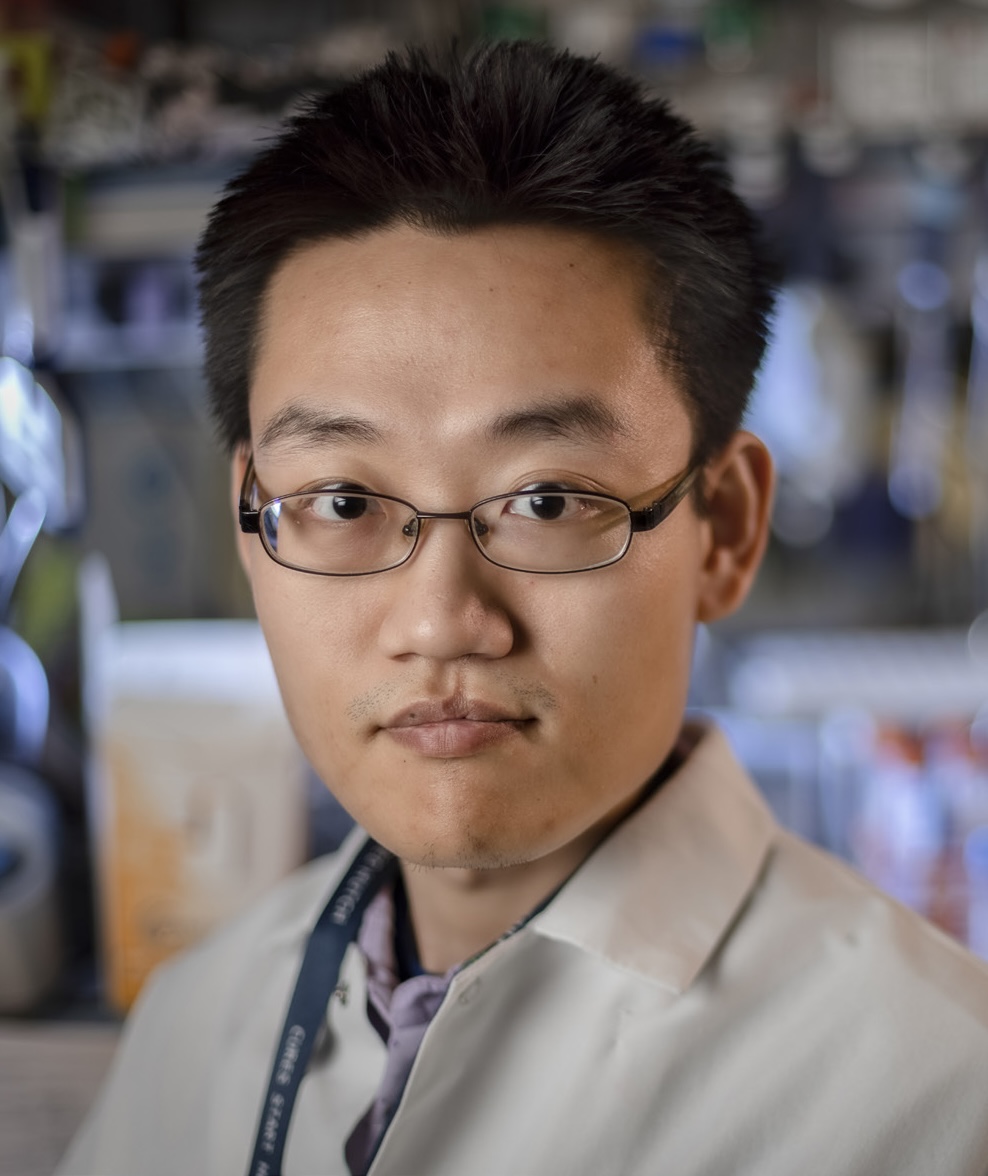
Dr. Yapeng Su
Background: Pancreatic cancer is notoriously difficult to treat. Though we’ve found a protein on tumor cells that would seemingly make for a good immunotherapy target, treatments that have been studied and validated in the lab fail in patients — likely due to unique characteristics of the tumor microenvironment. Using technology that allows us to see the interaction of cells within tumors and better understand how they influence one another, Dr. Su, who studies adoptive cellular immunotherapy, is examining the mechanisms that cause immunotherapies to fail and exploring techniques to overcome them.
2024 progress statement: After completing a detailed study of samples from tumors previously treated with adoptive T cell therapy, Dr. Su found that they contained several cell types that were both potentially immunosuppressive and arranged in distinct patterns throughout the tumor microenvironment. He also identified several subtypes of T cells (whose role is to attack cancer cells) that no longer functioned properly. In the coming months, Dr. Su plans to further analyze the T-cell subtypes and their placement within the tumor microenvironment to better understand why they stop working. What he finds could one day help us better engineer T cells to overcome those immunosuppressive forces.
On Saturday, September 7, hundreds of swimmers will Make Waves to Fight Cancer at the 16th annual Swim Across America – Seattle community swim. One of the swimmers diving in is 57-year-old Kristin Lamson of Olympia, Washington. Kristin is a breast cancer survivor and has been participating in the SAA – Seattle open water swim with her family and friends that make up “Team Pisty” for the past nine years.
“I was diagnosed with breast cancer in 2015,” noted Kristin. “I found Swim Across America in 2016, amidst multiple surgeries and treatment. I was a swimmer growing up and was looking to feel like myself. The Swim Across America – Seattle swim was a welcome reminder that my body could still do things and be strong. That first year, I was flanked by my older sister Jen and my younger brother Johnny. We didn’t know much about Swim Across America – but we were both blown away and inspired by the event and the other survivors/families/friends swimming and their personal stories. I was a puddle! But it felt good and it was fun, despite being pretty emotional.”
Kristin Lamson, of Team Pisty, proudly shows off her “Survivor” tattoo at a Swim Across America – Seattle event.
Kristin and her family were so energized by their first swim with SAA – Seattle that they returned the next year with a bigger perspective and bigger crew, including their younger sister Julie, and kids, nieces and nephews, spouses and friends.
“My sister and co-captain Julie has become a driving force for our team,” said Kristin. “She is our most successful fundraiser and travels all the way from Massachusetts every year to participate. As a person with developmental disabilities, her leadership and determination to conquer the challenges of open water swimming, along with her unwavering enthusiasm, are especially inspiring to all of us.”
Team Pisty at the 2019 SAA-Seattle event.
This year, Team Pisty is back with Kristin’s siblings, family and friends and will be swimming not only to celebrate Kristin’s survivorship, but also in honor of their cousin Nancy, who is currently battling cancer, and in memory of their cousin Cheryl, whom they lost to cancer in 2019.
Raising funds for cancer research is the primary goal of the swim. In its past 15 years, SAA – Seattle has raised more than $5 million for the swim’s local beneficiary, the Fred Hutch Cancer Center, which has gone directly to fund early stage research and clinical trials.
“Our small, but mighty team has raised close to $60,000 over the years,” exclaimed Kristin. “For me personally, paying it forward is my way of expressing gratitude to all those who came before me to raise money for research and treatments. I am a survivor because others stepped up.”
Kristin also noted that participating in the SAA – Seattle open water swim has given her family an opportunity to celebrate and honor many loved ones who have experienced the pain and loss of cancer. “We also have created some fun family traditions around the swim: a pasta feed the night before, bloodies on the beach, and a massive sleepover and food shindig at sister Jen’s (and husband Ric’s) house post-swim. We have had fish fries, seafood boils, taco nights and more! Having fun while doing good is a family thing!”
If you are moved to support Team Pisty, click here.
Swim Across America – Seattle is proud to note the recent accomplishments of two of their funded researchers. Fred Hutch Cancer Center and Kugel Lab postdoctoral fellow Stephanie Dobersch, PhD, received an American Cancer Society Fellowship to study a highly lethal form of pancreatic cancer, known as basal pancreatic ductal adenocarcinoma (PDA). Dr. Dobersch’s two-year, $146,000 ACS Fellowship will enable her to understand how a unique genetic program drives basal PDA and discover the subtype’s potential therapeutic vulnerabilities. Dr. Emily Liang received the ASCO Young Investigator Award for her research on a therapy that tunes a patient’s own immune system to better fight cancer. A clinical trial is underway testing whether a medication used in rheumatoid arthritis can reduce the inflammation of CAR T-cell therapy. Dr. Liang will use her one-year, $50,000 to fund experiments on samples from blood and lymph node tumors collected during the clinical trial.
Read or watch local stories featuring the Swim Across America-Seattle community to learn about their impact. Learn more about the event and beneficiary, Fred Hutch Cancer Center at swimacrossamerica.org/seattle.
Read or watch local stories featuring the Swim Across America-Seattle community to learn about their impact. Learn more about the event and beneficiary, Fred Hutch Cancer Center at swimacrossamerica.org/seattle.
Samantha Johanna (Sammie Jo) Porter Swim Across America – Atlanta Age: 24 Years supporting Swim Across America: 14
Samantha Johanna (Sammie Jo), now 24, was only 11 years old when she woke up with a swollen eye. At that age, it seemed typical to assume she had something stuck in her eye causing the inflammation and that it would be a relatively easy solution to solve.
However, after multiple doctor visits, a CT scan showed a pea-size hole in her left orbit and a diagnosis of Langerhans cell histiocytosis (LCH). LCH is a rare cancer condition where immune cells build up and form tumors or damage tissue, bone, and organs.
Sammie Jo, age 11, before her cancer diagnosis.
Sammie Jo didn’t let this devastating diagnosis stop her. An avid swimmer and child athlete, she was successfully treated and kept swimming throughout her medical issues.
In 2011, after emerging successfully from her treatment, she joined the cancer fundraising efforts with Swim Across America. This year, Sammie Jo is once again participating – this time in Atlanta. Though she has participated in several different swims, the Atlanta swim holds a special place in her heart.
“Swim Across America – Atlanta benefits the Aflac Cancer & Blood Disorders Center of Children’s Healthcare of Atlanta, where I work as a neonatal ICU nurse,” said Sammie Jo.
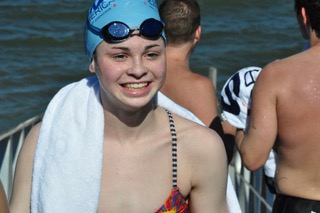
Sammie Jo swims at a Swim Across America event.
When asked what carried her through her difficult – and sometimes traumatic – treatments, Sammie Jo’s bright personality shines through.
“Through thick and thin, you just have to keep your head up,” noted Sammie Jo. “When I got my original diagnosis as a child, it was almost like a ray of sunshine in the dark tunnel because the doctors finally figured out what was wrong with me. But at the same time, I had to have major head surgery and that was scary.”
Sammie Jo had a layer of her skull shaved, which was then used to repair the hole in her orbit. She ended up with an incision from ear to ear. She and her family lived in Texas at the time and her first Swim Across America event after her recovery was the Swim Across America – Dallas event.
“I got involved in Swim Across America a year after I fought bone cancer,” said Sammie Jo. “I grew up swimming competitively, so when I heard that this open water swim was taking place in Dallas, I thought it was the perfect fit. While in college at Mizzou, I also participated in the Swim Across America – St. Louis event. I didn’t realize then that this organization, shortly after, would become my family and I wouldn’t change that for the world. I’m now so honored to be helping run the Junior Advisory Board for the Atlanta swim and on the Swim Across America Associate National Board!”
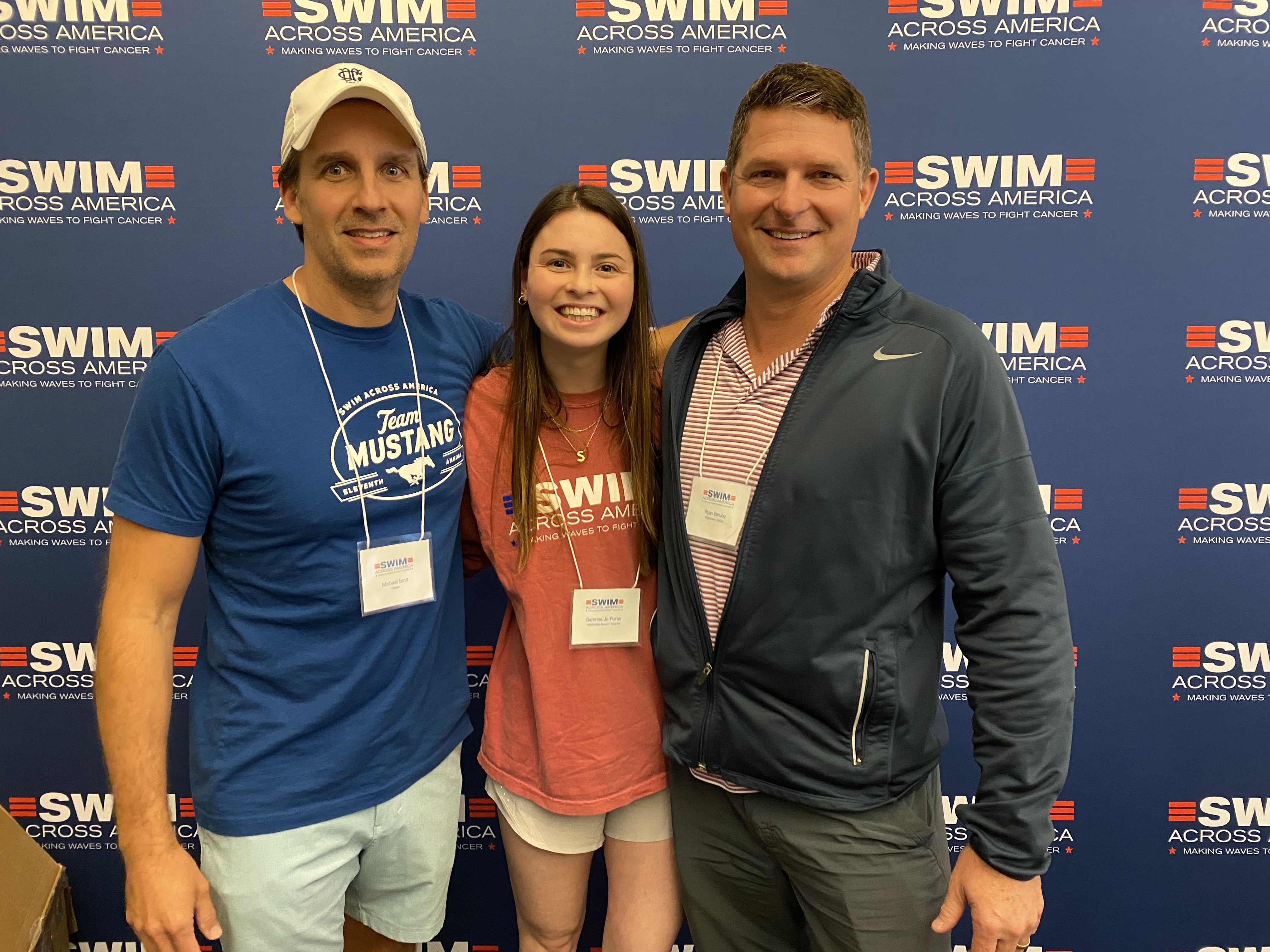
Sammie Jo with SAA-Dallas co-event directors, Michael Smit and Olympian Ryan Berube.
In high school, Sammie Jo swam for Lakeside Aquatic Club and was the 2015-2016 Scholastic All-American. At the University of Missouri, she was on the swim team where she was a stand-out ranked swimmer in the 100 and 200 free and won multiple event titles, and received an All-American honorable mention as a sophomore as part of the Missouri 400 relay team at the NCAA Championships.
The University of Missouri team at SAA-St. Louis.
Sammie Jo graduated in December of 2021 from the University of Missouri Sinclair School of Nursing and happily accepted her dream job as a neonatal ICU nurse at Aflac Cancer & Blood Disorders Center of Children’s Healthcare of Atlanta, the SAA-Atlanta’s local beneficiary.
Upon arriving in Atlanta, Sammie Jo knew she wanted to continue swimming and volunteering with Swim Across America, so joining the Atlanta swim was natural.
“I was a recent college graduate working my first job and had a lot of energy and passion for helping raise awareness and funds to fight cancer,” noted Sammie Jo. “I wanted to try to use my experience with swimming – and with cancer – to motivate other young swimmers to get involved.”
Sammie Jo dove right in and signed up to help spearhead the SAA-Atlanta Junior Advisory Board, where close to 20 middle and high school teens from throughout the Atlanta area work on specific fundraising programs for the swim, as well as swimming themselves. Sammie Jo also joined Swim Across America’s National Associate Board as a junior member.
Throughout the years, Sammie Jo has raised more than $20,000 for crucial cancer research with Swim Across America. She has participated as a swimmer and volunteer at Swim Across America events in Dallas, Charlotte, Seattle, St. Louis, and Atlanta.
If you are moved to support Sammie Jo, you can donate here.
Swim Across America has raised $100 million since its inception in 1987 to support cancer research and clinical trials across the U.S. Please contact Jeni Howard at jhoward@jhowardpr.com for media inquiries.
Mel Smith Swim Across America – Seattle Age: 80 Years supporting Swim Across America: 15
This year, Swim Across America – Seattle is celebrating 15 years of impact. In that time, the charity swim has raised over $4.5 million for its beneficiary, Fred Hutch Cancer Center, and has made a remarkable impact on its community.
Mel at SAA-Seattle.
One swimmer, 80-year-old Mel Smith, has been there from the beginning, and is proud to have participated in the swim every year.
“While I’ve been involved with Swim Across America – Seattle for 15 years, this is actually my 14th year swimming for the cause, as COVID sidelined the actual open water event a few years ago,” noted Mel.
Mel swims with the team “Y-Naught” and over the years, he has raised nearly $36,000 to support SAA-Seattle. Mel and his teammates typically swim the 2-mile course at the open water event.
Team Y-Naught at SAA-Seattle.
Mel grew up in Michigan and swam with his Cooley High School swim team, then swam competitively all four years at Albion College, holding the record in the 500 and 200 freestyle.
1960 Cooley High School Swim Team, Detroit MI
After college, he moved to Illinois and was the swim coach at two different high schools before moving to Olympia, Washington, in 2005, where he became the Olympia High School swim coach. Mel also coached at the Briggs YMCA and just retired from that position on August 25, 2023. He coached swimming for a total of 43 years! In addition, Mel has been a member of the Masters swim program at his local Y.
“I swim with team Y-Naught, made up of swimmers from my Masters swim program at our local Biggs YMCA. This year, I am swimming a half-mile in honor of survivors Laura Beth Whyte, Michael Smith and Carolyn Prouty, and in memory of Karen Russell.”
Mel and his team have become a staple at the SAA-Seattle event and the local committee look forward to seeing them every year.
“Mel exemplifies the dedication and passion so many of our swimmers have for making waves to fight cancer,” noted David Day, SAA-Seattle co-event director.
“To have Mel with us for all 15 years we’ve been swimming in Seattle is really amazing! He has been an important part of Swim Across America and we love having him back year-after-year.”
Mel and his family at an SAA-Seattle event
This year, Mel will be swimming his distance in the local pool but will be on-site cheering on his team and the hundreds of participants that come out each year.
If you are moved to support Mel Smith, you can donate here.
Swim Across America has raised $100 million since its inception in 1987 to support cancer research and clinical trials across the U.S. Please contact Jeni Howard at jhoward@jhowardpr.com for media inquiries.









 Swim Across America