SAA-Seattle Passes $5 Million granted to Fred Hutch Cancer Center in 2024 Impact Report

Since 2009, Swim Across America has contributed more than $5.3 million for cancer research at Fred Hutchinson Cancer Center. Funds raised by the event and by the motivated swimmers who participate enable early-career investigators to pursue groundbreaking research that can improve care for patients in Seattle and beyond. Investigators who received funding in previous years continue to build on research made possible by Swim Across America to advance understanding of breast cancer, lymphoma, pancreatic cancer, and sarcoma. We are delighted to provide this year’s update on the projects you’ve supported below. Don’t forget to register for this year’s Swim Across America – Seattle!

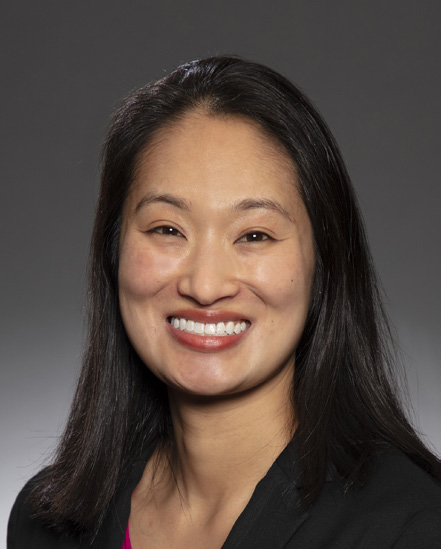
Dr. Meghan Flanagan

Meghan R. Flanagan, MD, MPH | Breast Cancer 

Physician and affiliate investigator, Fred Hutch; Assistant professor of Surgery, UW Medicine 

Project: Association of HSD3B1 (1245C) genotype with recurrence among post-menopausal women with estrogen receptor-positive, HER2- negative breast cancer 

Background: Anti-estrogen endocrine therapy reduces the risk of recurrence and improves breast cancer mortality among individuals with hormone-receptor positive breast cancer. However, approximately one-quarter of patients are inherently resistant or develop resistance to endocrine therapy. Ultimately, this research may allow us to identify people with innate endocrine resistance and develop novel therapeutics and treatment strategies. 

Progress statement 2022: Swim Across America’s initial support helped our team evaluate whether there is an association between a common single nucleotide variation in a gene called HSD3B1 (which is involved in hormone biosynthesis) and breast cancer outcomes. Using an extensive collection of clinical and pathologic data about patients and their tumors, we demonstrated that patients with two copies of the variant in the HSD3B1 gene had a five-fold increased risk of developing metastatic breast cancer, compared to people who did not have this variant. 

In July 2022, we published findings from Swim Across America-supported research in the Annals of Surgical Oncology. Based on these results, our team received funding to study whether inheriting two copies of the variant HSD3B1 gene — which occurs in 10% to 15% of patients with estrogen receptor-positive, post-menopausal breast cancer — decreases the effectiveness of anti-estrogen medications, which are used universally in this population. Our results could indicate the need for alternative treatment strategies for these patients. 

2023 update: 33 of 60 patients have completed the study, and frozen tissue from 25 patients has been analyzed for estrogen and androgen concentrations. Although only two patients had two copies of the variant HSD3B1 gene, and we do not have enough information to make conclusions about the variant versus wild-type gene, it is likely that our analysis will be the most comprehensive steroid profiling of normal and tumor breast tissue. We are also in the process of finalizing data for our primary study outcomes and anticipate this will be completed in the late spring. 

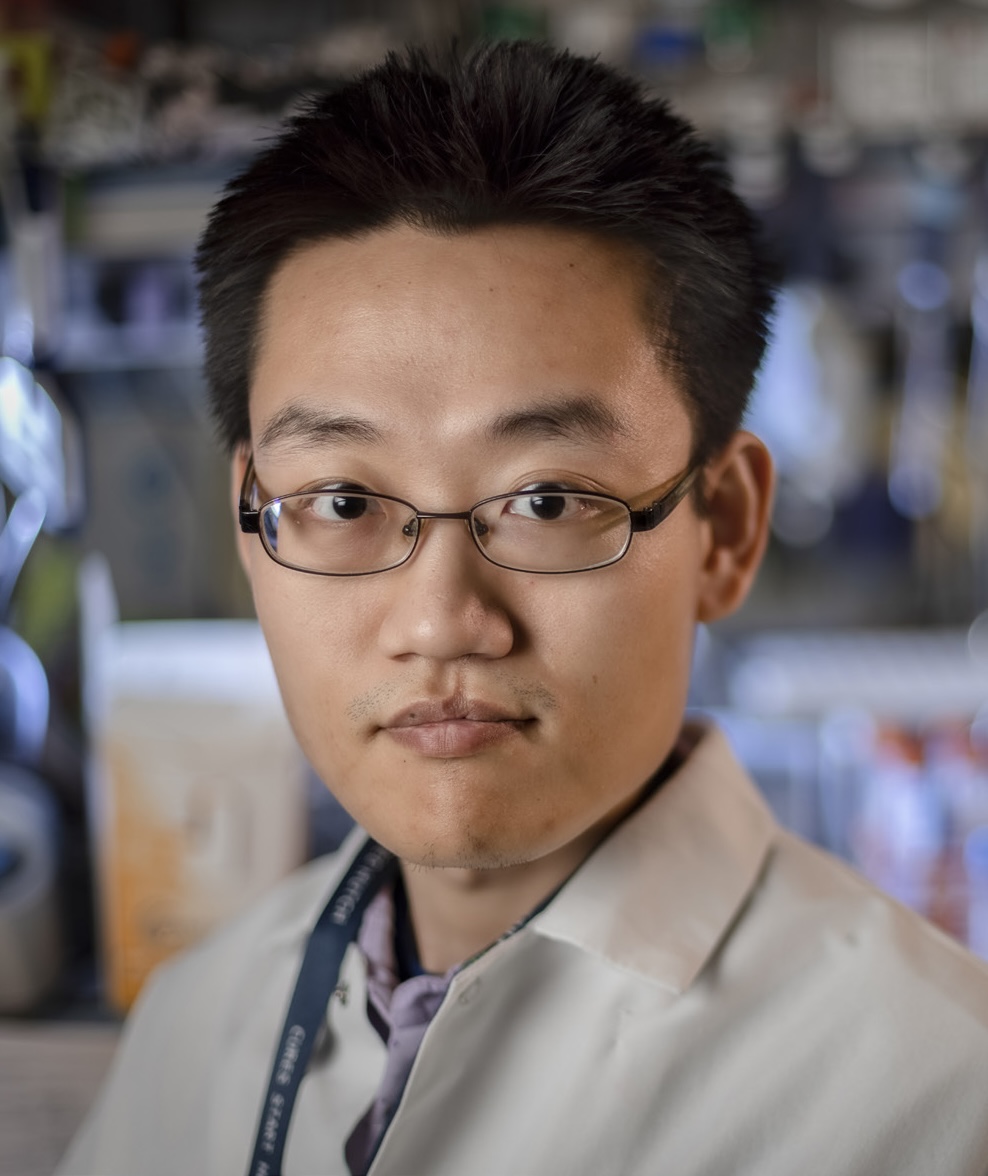
Dr. Sita Kugel

Sita Kugel, PhD | Pancreatic Cancer 

Assistant professor, Fred Hutch 

Project: Exploring novel functions of HMGA2 in pancreatic cancer 

Background: Pancreatic ductal adenocarcinoma (PDA) is an extremely lethal disease with an overall five-year survival rate of 12%. Recent work has led to the discovery that PDA can be subdivided into two principal subtypes based on transcriptional signatures: classical and basal. The basal subtype is more aggressive and leads to the worst overall survival. Our laboratory has been focused on understanding the mechanisms that drive each subtype with the aim of identifying therapeutic vulnerabilities that may be exploited in the clinic. 

Progress statement 2022: Within an already challenging malignancy, certain transcriptional subtypes of pancreatic ductal adenocarcinoma are especially lethal. Funding from Swim Across America is helping us understand what defines each subtype, as well as their susceptibilities and mechanisms of resistance, to help to identify potential new treatment options for this devastating disease. Our team has recreated the classical and basal subtypes in the lab and managed to explore the differences between the two, including how they acquire resistance to first-line therapies. Our work will lay the groundwork for more targeted treatments for PDAs that can also account for their respective escape mechanisms, thereby improving outcomes. 

2023 update: Some of our recent work showed that basal pancreatic tumors are sensitive to cyclin-dependent kinase (CDK) inhibitors. Our team is trialing these CDK inhibitors in patients who are also receiving standard-of-care treatment, while also looking at whether a different treatment combination affects one tumor subtype more than the other. 

Simultaneously, we are using pancreatic tumor tissue taken from patients and grown in mice to test new treatment strategies in an environment similar to the human body. 

Dr. Jonathan Sham

Jonathan Sham, MD, MBEE | Pancreatic Cancer 

Surgical oncologist and assistant professor, Fred Hutch and UW Medicine 

Project: Novel drug-eluting biopolymer to reduce pancreatic fistula and improve outcomes after pancreatic surgery 

Background: Pancreatectomy, or removal of the pancreas, is the mainstay of any potentially curative treatment regimen for pancreatic cancer. Despite an overall improvement in the safety of pancreatic surgery over the past several decades, the morbidity of pancreatectomy remains exceedingly high. The most significant complication after pancreatic surgery is postoperative pancreatic fistula (POPF), which occurs in up to 50% of cases. The use of a biopolymer, poly(N-isopropylacrylamide) (PNIPAM), is an innovative approach to prevent leakage of pancreatic juice from the cut surface of the gland, while drug-eluting microspheres aims to simultaneously reduce baseline pancreatic fluid secretion. This novel dual-action approach will be tested in a validated rat model of POPF with the goal of rapid clinical translation and patient benefit. 

Progress statement 2022: Swim Across America is advancing our work to improve outcomes after pancreatic surgery. Your support is enabling a trailblazing collaboration between surgeons and bioengineers to develop novel ways to stop leaks after pancreas surgery and help patients live healthier and longer lives. We have also expanded our team and published our groundbreaking research, including our development of a preclinical model for studying POPF. We continue to move this work closer to helping patients with pancreatic cancer. 

2023 update: We are continuing to optimize biopolymer performance and handling characteristics for use during surgery. We are also including a chemical approach that clams use to adhere to underwater rocks in order to maximize adhesion on wet surfaces during surgery. 

Dr. Jordan Gauthier

Jordan Gauthier, MD, MsC | Lymphoma 

Physician and assistant professor, Fred Hutch and UW Medicine 

Project: Factors associated with failure of CD19 CAR T cells in diffuse large B-cell lymphoma 

Background: We are investigating two factors — T-cell dysfunction during manufacturing and the suppressive tumor microenvironment — that may play a critical role in the failure of CD19-targeting chimeric antigen receptor (CAR) T-cell therapy for people with diffuse large B-cell lymphoma (DLBCL). We are also working to identify potential targets to improve outcomes of CAR T-cell therapy for patients with DLBCL. 

Progress statement 2022: The Swim Across America grant allowed us to explore two parallel questions. First, to understand whether exhausted T cells are associated with treatment failure after CAR T-cell therapy for patients with DLBCL, we analyzed blood samples from 34 patients treated on a clinical trial. While we did not confirm an association between exhausted T cells and treatment failure, we found that a higher proportion of terminally differentiated T cells may have an adverse impact on the outcomes of CAR T-cell therapy. Second, to determine if an exhausted gene signature in T cells from lymphoma tumors is associated with treatment failure, we analyzed pre-treatment tumor biopsies from 17 patients receiving CAR T-cell therapy. In patients who had a complete response to CAR T-cell therapy, we found that T-cell-associated genes were overexpressed compared to patients not in complete response after treatment. Our results suggest that tumors more susceptible to T-cell infiltration might respond better to CAR T-cell therapy. 

Funds from Swim Across America also supported the development of two cutting-edge approaches, CITE-seq and CODEX, that allow us to study proteins and DNA from single cells and take 3D photographs of biopsies before and after therapy. These tools will help us better understand why CAR T-cell therapy does not work in some patients. Identifying why treatment fails at a single-cell level will have a dramatic impact on how we design the next generation of CAR T-cell therapies. 

2023 update: Using tools we developed with the support of Swim Across America, we are now able to specifically study how CAR T cells “talk” to other cells inside lymphoma tumors. We are also now using CITE-seq to analyze 20 tumor biopsy samples from patients undergoing CAR T-cell therapy in clinical trials. We are looking at associations between specific immune cell populations and outcomes, such as anti-cancer effects and toxicity. 

Dr. John Lee

John K. Lee, MD, PhD | Sarcoma 

Previously physician and assistant professor, Fred Hutch and UW Medicine; currently at UCLA 

Project: Development of STEAP1 chimeric antigen receptor T-cell therapy for Ewing sarcoma 

Background: Approximately 200 adolescents and young adults in the U.S. are diagnosed each year with Ewing sarcoma, a cancer of the soft tissue and bone. When Ewing sarcoma spreads, patients face a very grim prognosis, as no available treatments eradicate the disease. If successful, our studies will help lay the groundwork for the development and clinical translation of a first-in-field CAR T-cell immunotherapy for Ewing sarcoma that targets the protein STEAP1. 

Progress statement 2022: Swim Across America funding helped us evaluate whether a novel CAR T-cell therapy targeting the protein STEAP1 could be an effective strategy to treat patients with Ewing sarcoma. Our results indicate that human Ewing sarcoma tumor models commonly express STEAP1 and are susceptible to killing by STEAP1 CAR T cells. In related studies, we have also determined that STEAP1 CAR T-cell therapy appears safe in a novel mouse model that we engineered to express human STEAP1. We have seen highly promising activity in multiple preclinical models of Ewing sarcoma, and we licensed the technology to a company for clinical development. 

2023 update: The Swim Across America grant enabled studies, now complete, confirming the anti-cancer activity of STEAP1 CAR T-cell therapy in preclinical models of Ewing sarcoma. A clinical trial in humans at Fred Hutch and Seattle Children’s Hospital is now being planned. 

HIGH SCHOOL SWIMMERS COMPLETE STRAIT OF MESSINA SWIM TO RAISE FUNDS FOR PEDIATRIC CANCER RESEARCH

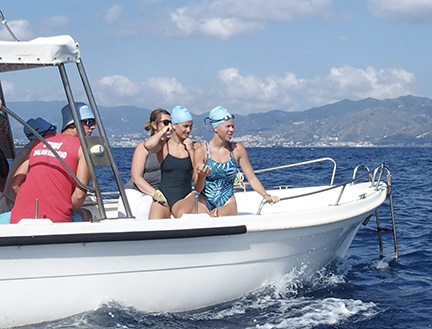
Imagine swimming two miles from Punta Faro in Sicily to Cannitello, Calabria on the Boot of the Italian Peninsula. Three high school swimmers from Cincinnati, Ohio did just that on June 27, 2023, to raise funds for pediatric cancer research.

The route, known as the Strait of Messina, earned them the moniker, the Marlins in Messina. “Marlins” being a nod to their local club swim team, the Cincinnati Marlins.

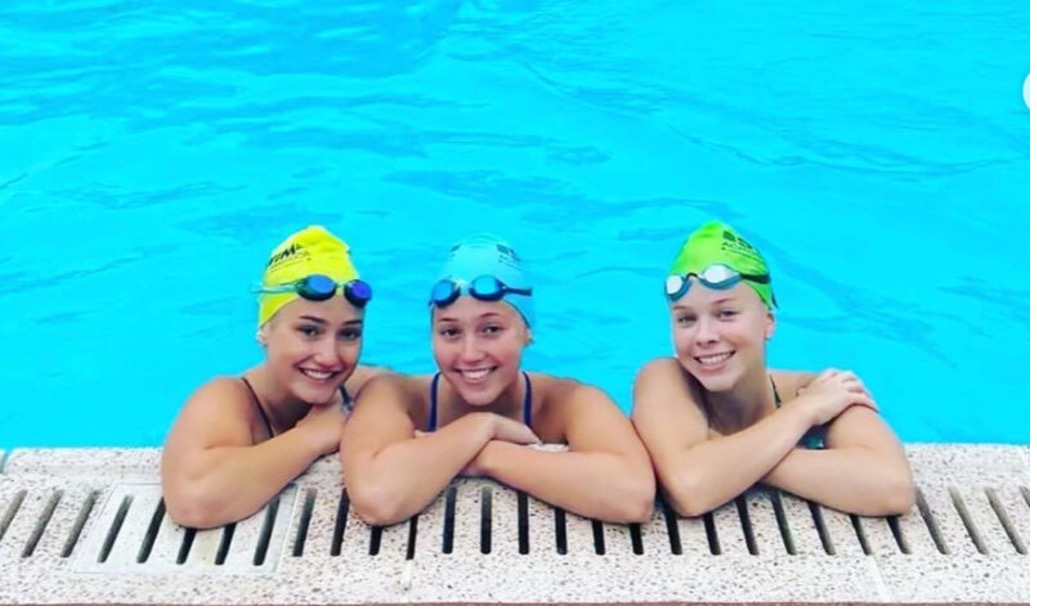
For Sydney Herr, Natalie Gockerman and Chloe Otten, each 17 years old, the challenge in the Mediterranean Sea tested the physical and mental stamina required to cross the waters. However, they know that many other young people have a much tougher battle.

Chloe Otten, Nathalie Gockerman and Sydney Herr

“Distance swimming in open water is nothing compared to the fight against cancer that some families endure,” said Sydney.

Swimming, and a passion for positively impacting their community, bind the three together. The trio became teammates in 2018 as members of Ohio’s state Zone Team. Last August they hosted a Swim Across America pool swim which raised over $15,000. This year, they registered as SAA My Way participants and committed to expand their support for Swim Across America.

Each swimmer has a personal connection to Swim Across America’s mission to raise funds for cancer research through swimming.

“I am incredibly passionate about making a difference in the world. Every child deserves the opportunity to live cancer free and I am committed to giving any child battling cancer hope,” said Sydney.

“I am swimming in honor of my grandmother who successfully battled stage 4 breast cancer,” explained Natalie. “I’m thankful to the doctors and nurses who provided her with the best treatment and care.”

“Unfortunately, I lost my grandmother to pancreatic cancer in 2016 and my cousin recently to heart failure. My cousin was very young and he motivates me every day to live to the fullest,” said Chloe. “It breaks my heart to know that other families also struggle through these kinds of tragedies. I want to raise money to support the research Swim Across America funds.”

In addition to their team fundraising page, the trio designed and sold customized t-shirts for their Messina event and secured a financial contribution for Swim Across America from the Kendra Scott Foundation, the philanthropic arm of the national jewelry company.

If you are moved to support the Marlins in Messina, you can donate here.

Swim Across America has raised $100 million since its inception in 1987 to support cancer research and clinical trials across the U.S. Please contact Jeni Howard at jhoward@jhowardpr.com for media inquiries.

TEAM CAROLYN HONORS ONE OF THEIR OWN IN NASSAU/SUFFOLK-SOUND TO COVE

Steve Chestler gives new meaning to the phrase Swim Across America “champion.”

“The 2022 Nassau/Suffolk-Sound to Cove charity swim was the most amazing event I have ever been to. Hearing doctors and researchers speak about the work they are doing to find a cure for this devastating disease is something my children and I will never forget. It’s what keeps Team Carolyn so focused and determined on fundraising as much as possible.”

This year is Steve and Team Carolyn’s second year supporting Swim Across America and they have made a remarkable impact in those two years raising over $400,000 combined. In 2022, Team Carolyn was the number two fundraising team for Swim Across America.

The team is named in memory of Steve’s wife, Carolyn Jaenisch, who was diagnosed with Terminal Adenocarcinoma in July 2021 and passed away just six months later. Carolyn and Steve have a daughter, Caitlin, and a son, Gregory. Carolyn was an avid swimmer who swam with Long Island Masters and Excel Swim Club for 21 years on Long Island. Read more about the Chestler family here.

“After Carolyn’s passing, getting involved with Swim Across America felt like the most meaningful way our family and friends could honor her and keep her spirit alive,” said Steve.

“The community we have found in Swim Across America is unbelievable. We all want to help and do something for our loved ones, and we are all fighting for a cure. We have a huge extended family here and we are in this together.”

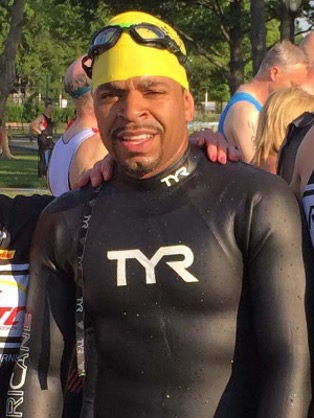
To further this feeling of “extended family,” this year, Team Carolyn is fundraising in support of one of their own team members, Derrick Edwin. Derrick is a seasoned triathlete who unknowingly competed in an Iron Man competition in September 2021 while having colon cancer.

Though Derrick’s Stage 4 diagnosis was shocking, he maintains a positive attitude and upbeat spirit throughout his immunotherapy treatment. And when his friend, Steve, asked him to join Team Carolyn, it was a no-brainer.

“Swim Across America has provided me with an unbeatable support system. I hope to spread hope and positivity to all my cancer warriors fighting this disease. We can beat this!” said Derrick.

If you are moved to support Team Carolyn, you can donate here.

Swim Across America has raised $100 million since its inception in 1987 to support cancer research and clinical trials across the U.S. Please contact Jeni Howard at jhoward@jhowardpr.com for media inquiries.

Finding New Meaning in Swim Across America Participation

Susan McPherson

Swim Across America – Nashville

Hometown: Nashville, Tennessee

6 years with Swim Across America

Age: 79

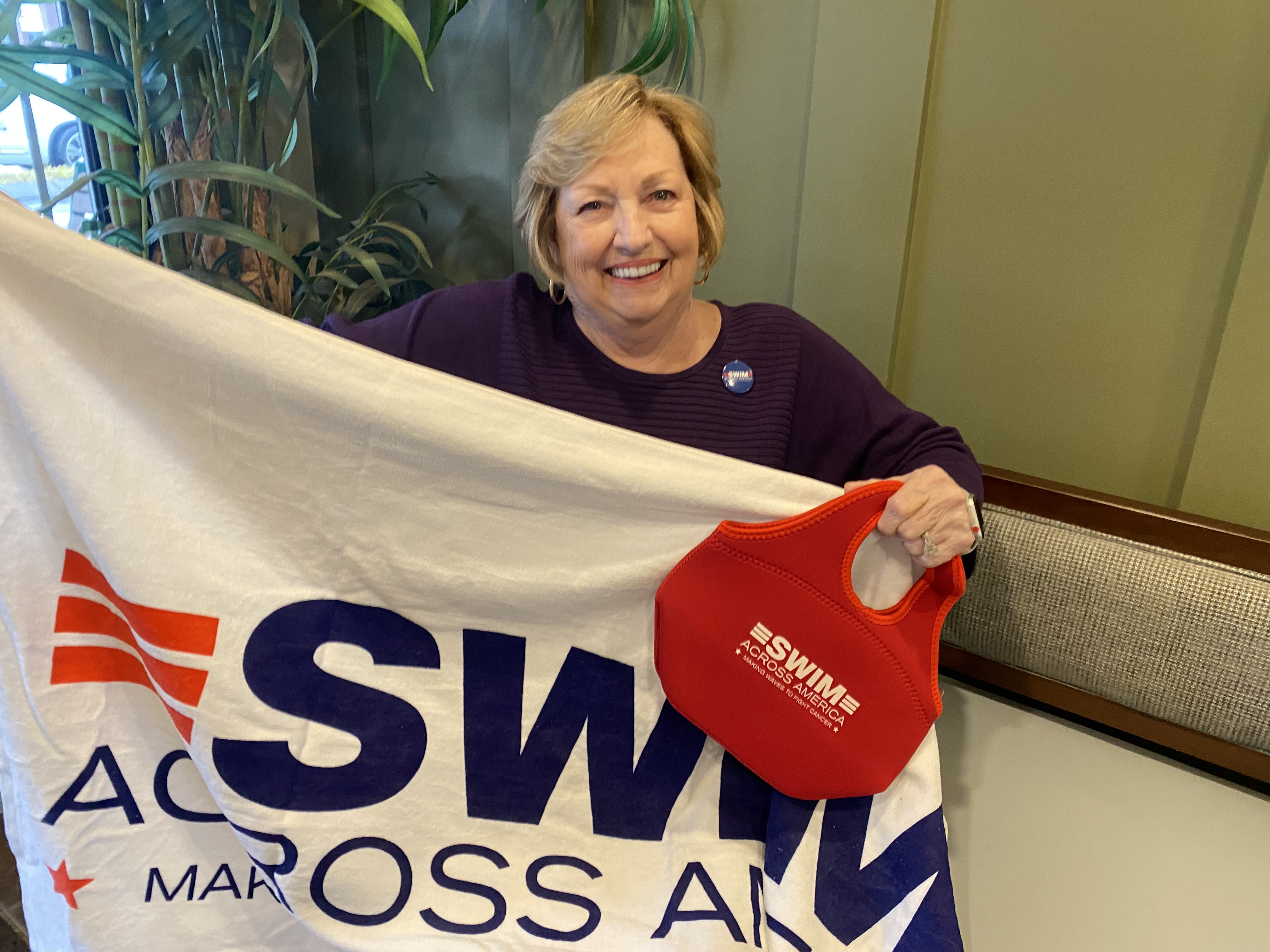
Susan McPherson was no stranger to Swim Across America, but her contributions were always in honor of other family members and friends who had cancer diagnoses. After a shocking diagnosis in December 2020, the reason to support Swim Across America-Nashville now became much more personal for Susan.

“I went to the doctor because I was experiencing new-onset shortness of breath and found out I was anemic. After additional tests, the doctors told me they found a large tumor and multiple metastases in my abdomen and that I had stage four colon cancer.”

Susan’s particular genetic profile made her a candidate for immunotherapy. She began treatment at the Vanderbilt-Ingram Cancer Center, which is the beneficiary of the Swim Across America-Nashville Pool Swim.

“In fact, the type of immunotherapy I was given – Keytruda – was developed in the Swim Across America funded lab at the Johns Hopkins Cancer Center! What an incredibly serendipitous moment it was when I realized that the treatment that could help save my life was initially funded through Swim Across America fundraising events.”

Susan received treatment for two years and is now cancer-free. And her participation in this year’s Swim Across America – Nashville event is that much more poignant.

Susan’s daughter-in-law, Chris, is one of the event directors and coaches at the Ensworth Natatorium where the event is held. Her son, John, is a cardiologist at Vanderbilt University Medical Center. For the second year, Chris and John will swim with their team “Chris’ Cancer Crushers” in their endeavor to “make waves to fight cancer.”

Swim Across America has raised $100 million since its inception in 1987 to support cancer research and clinical trials across the U.S. Please contact Jeni Howard at jhoward@jhowardpr.com for media inquiries.

Young Teen Recognizes Swim Across America’s Impact Within His Home

Owen Johnson

Swim Across America – Charleston-Kiawah

Hometown: Mount Pleasant, South Carolina

3 years supporting Swim Across America

Age: 13

Owen Johnson is just 13 years old, and he already recognizes the impact funds raised at a Swim Across America charity swim have on patients and families.

“My dad, Brad Johnson, was diagnosed with stage four head and neck cancer before I was born. He survived because of new medicines discovered by cancer researchers, like the ones funded by Swim Across America.”

In 2020, the then-11-year-old swimmer had the idea to give his dad an unforgettable Christmas present. Instead of exchanging gifts, Owen set up a GoFundMe in honor of his dad’s fight against cancer. Owen raised over $2,000 and since then, has raised another $4,000 through his participation in the Swim Across America – Charleston-Kiawah events.

“I know Swim Across America gives money directly to researchers. My dad was the Event Director for Swim Across America – Charleston-Kiawah for a few years, and Swim Across America gives grants to cancer researchers at Hollings Cancer Center in Charleston where we live.”

This year, Owen and Brad will swim together at the Swim Across America – Charleston-Kiawah event on June 10. They are also celebrating a remarkable milestone. Brad has been cancer-free for 20 years.

“To celebrate 20 years and all the things my dad has accomplished since beating cancer – Ironman events, marathons, Triathlon World Championships, having a family – we are teaming up to raise $20,000 for the 2023 Swim Across America – Charleston-Kiawah event.”

“I hope that by raising money for Swim Across America, donations will help researchers get the funding they need to help more people like my dad.”

Swim Across America has raised $100 million since its inception in 1987 to support cancer research and clinical trials across the U.S. Please contact Jeni Howard at jhoward@jhowardpr.com for media inquiries.

Cancer Survivor Inspired to Help Establish SAA-Florida Keys Event

Glenn Latham

Swim Across America – Florida Keys

Hometown: Islamorada, Florida

2 years supporting Swim Across America

Age: 68

“Both my parents, two of my three siblings, and I have all battled cancer. Fortunately, due to lots of prayer, family support and modern technology, I am in remission and celebrating 11 years cancer-free.”

And thanks to a chance meeting with a Swim Across America Board Member, Glenn and his wife, Susan, are now dedicated to bringing hope to families fighting cancer.

As a cancer survivor, Glenn was involved with different charities prior to moving to the Keys. Glenn’s love of swimming led to that chance encounter with a Board Member who shared the story of Swim Across America and our mission to fund innovative cancer research.

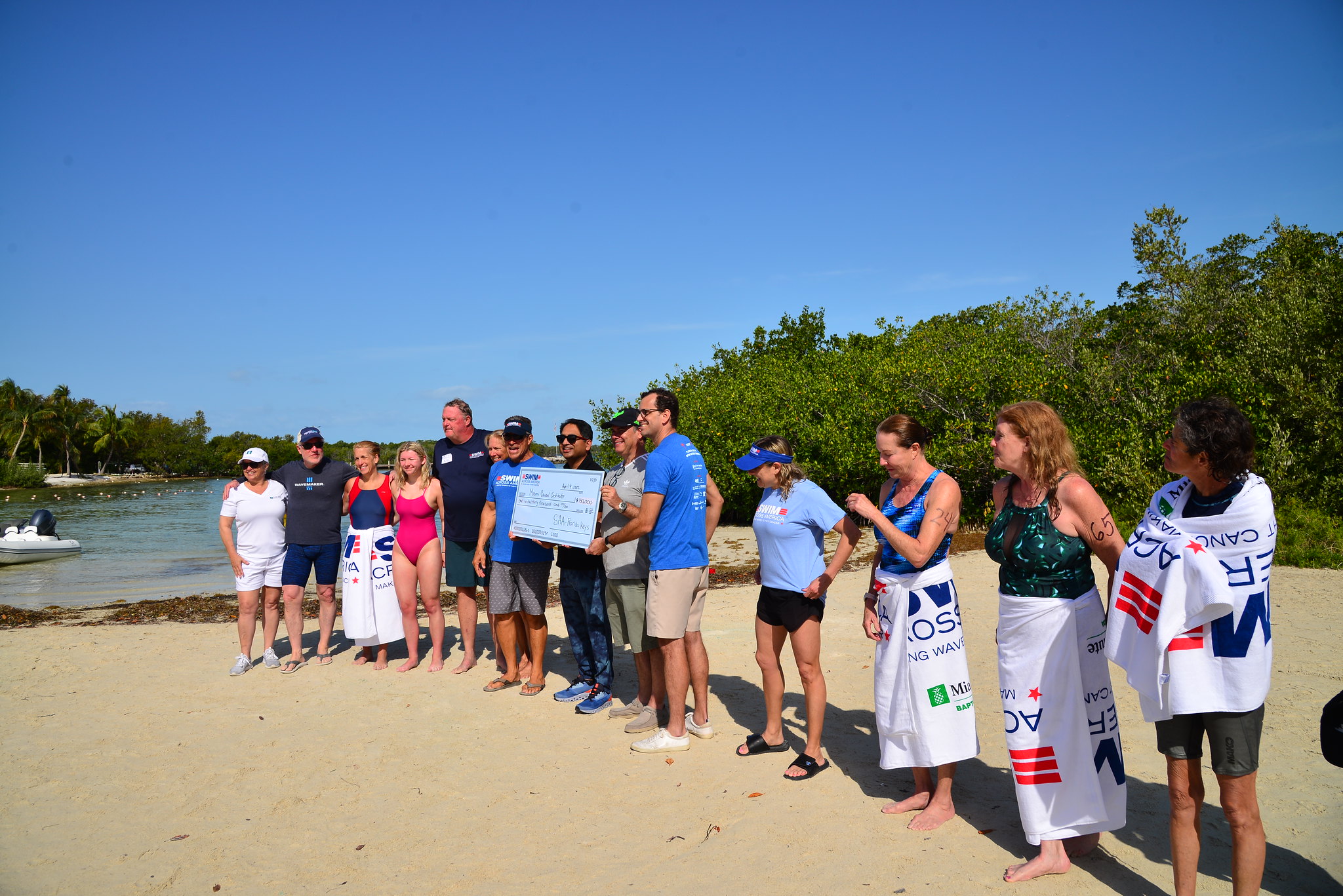
“My wife and I were immediately interested, and together we decided to organize the first SAA event in the Florida Keys. Our inaugural event in 2022 was a huge success, and the community involvement was amazing.”

The two Islamorada residents are Co-Event Directors for the second annual Swim Across America – Florida Keys event on April 15 benefitting Miami Cancer Institute.

“Being involved with Swim Across America has been a wonderful experience. I hope to continue to help with our own event and attend other swims. I believe we need to expand cancer research, and the funding that Swim Across America generates is of huge value.”

“It is particularly gratifying meeting and working with key members of the local medical research institution, Swim Across America staff, Olympians and local community supporters.” 

Swim Across America has raised $100 million since its inception in 1987 to support cancer research and clinical trials across the U.S. Please contact Jeni Howard at jhoward@jhowardpr.com for media inquiries.

SAA Debuts WaveMaker Hydro Flask Bottle for 2023

Swim Across America is excited to celebrate our top fundraisers with the 2023 WaveMaker gift! Swimmers and volunteers who raise $1,000 or more will receive an insulated 32 oz Wide-Mouth Hydro Flask water bottle.

As part of the WaveMaker club, we want you to show your SAA pride year-round with a Hydro Flask perfect for any occasion. Ideal for everyday and outdoor adventure, the Hydro Flask Wide-Mouth vacuum water bottle packs 32 oz. of hydration, and keeps your beverage hot or cold for hours. Want to take this awesome item home with you? Register today and set your fundraising goal to WaveMaker!

Print

$4.2M granted to Seattle Cancer Care Alliance

To date, Swim Across America has contributed close to $4.2 million for clinical research at Seattle Cancer Care Alliance and Fred Hutch. Starting in 2019, funds raised from the SAA-Seattle have gone to support breakthrough research by young investigators. In 2021, six grants were awarded to researchers focused on: lymphoma, sarcoma, breast, pancreatic, and urological cancer research. Below, the grant recipients share progress statements on their research over the last year.

Dr. Meghan Flanagan

Dr. Meghan Flanagan
Research focus: Breast cancer
Project title: Association of HSD3B1 (1245C) genotype with recurrence among post-menopausal women with estrogen receptor- positive, HER2- negative breast cancer
Background: Endocrine (antiestrogen) therapy reduces the risk of recurrence and improves mortality among women with hormone-receptor positive breast cancer. However, approximately one-quarter of women are inherently resistant or develop resistance to endocrine therapy. Ultimately, this research may allow us to identify women with innate endocrine resistance and develop novel therapeutics and treatment strategies.
Progress Statement: The SAA funds were used to evaluate whether an association exists between a mutation in a gene (HSD3B1, involved in hormone biosynthesis) and breast cancer outcomes. Using extensively collected clinical and pathologic data about patient demographics, tumor and treatment data and recurrence rates, we were able to show that women with two mutations in the HSD3B1 gene had higher rates of distant metastatic recurrence compared to those women who did not have this mutation. Future studies will be forthcoming to determine how this mutation may decrease the effectiveness of anti-estrogen medications that are used universally in post-menopausal ER+ breast cancer. This mutation is found in up to 15 percent of ER+ post-menopausal breast cancer patients, and if shown to decrease the effectiveness of anti-estrogen medications, there would be potential indications for alternative treatment strategies in these patients.

Dr. Sita Kugel

Dr. Sita Kugel
Research focus: Pancreatic Cancer
Project title: Exploring novel functions of HMGA2 in pancreatic cancer
Background: Pancreatic Ductal Adenocarcinoma (PDA) is an extremely lethal disease with a 5-year survival rate of less than 10%. Recent work has led to the discovery that PDA can be subdivided into two principal subtypes based on transcriptional signatures: classical and quasi-mesenchymal (QM). The QM PDA subtype is more aggressive and has the worst overall survival. Our laboratory has been focused on understanding of the mechanisms that drive each subtype in hopes of identifying therapeutic vulnerabilities that may be exploited in the clinic.
Progress Statement: Within an already challenging malignancy, there are transcriptional subtypes of pancreatic ductal adenocarcinoma that are especially lethal. Understanding what defines each subtype, as well as their susceptibilities and mechanisms of resistance, will help to identify new targeted therapies or combination therapies and lead to more treatment options for this devastating disease.

Dr. Jonathan Sham

Dr. Jonathan Sham
Research focus: Pancreatic Cancer
Project title: Novel Drug- eluting Biopolymer to Reduce Pancreatic Fistula and Improve Outcomes After Pancreatic Surgery
Background: Pancreatectomy is the mainstay of any potentially curative treatment regimen for pancreatic cancer. Despite an overall improvement in the safety of pancreatic surgery over the past several decades, the morbidity of pancreatectomy remains exceedingly high. The most significant complication after pancreatic surgery is postoperative pancreatic fistula (POPF), which occurs in up to 60% of cases. The use of a biopolymer, poly(Nisopropylacrylamide) (PNIPAM), is an innovative method to prevent leakage of pancreatic juice from the cut surface of the gland, while the suspended octreotide- eluting microspheres will simultaneously reduce baseline pancreatic fluid secretion. This novel dual-action approach will be tested in a validated rat model of POPF with the goal of rapid clinical translation and patient benefit.
Progress Statement: Swim Across America is advancing our work to improve outcomes after pancreatic surgery. Their support is enabling a trailblazing collaboration between surgeons and bioengineers to develop novel ways to stop leaks after pancreas surgery and make patients live happier, healthier and longer lives. Polymer synthesis is moving forward, and two teams are working on creating and testing polymers with different characteristics for use in our animal experiments.

Dr. Jordan Gauthier

Dr. Jordan Gauthier
Research focus: CAR T-cell therapy
Project title: Factors associated with failure of CD19 CAR T cells in diffuse large B cell lymphoma
Background: We are investigating two factors potentially critical to failure of CD19 CAR T-cell therapy for DLBCL: a) T cell dysfunction, impeding the generation of functional CAR T cells during manufacturing; b) the suppressive tumor microenvironment (TME). Our studies will better characterize T cell dysfunction and the TME as core mechanisms of failure of CD19 CAR T cells and identify potential targets to improve outcomes of CAR T-cell therapy for DLBCL.
Progress Statement: The Swim Across America grant allowed us to explore the two following aims.
Aim 1: To determine whether exhausted T cells are associated with treatment failure after CAR T-cell therapy for diffuse large B-cell lymphoma (DLBCL). We analyzed blood samples from 34 DLBCL patients treated on a clinical trial of CAR T-cell therapy. While we did not confirm an association between exhausted T cells and treatment failure, we found that a higher proportion of terminally differentiated T cells may have an adverse impact on the outcomes of CAR T-cell therapy.
Aim 2: To determine if an exhausted gene signature in T cells from lymphoma tumors is associated with treatment failure, we analyzed pre-treatment tumor biopsies obtained from 17 patients receiving CAR T-cell therapy. In biopsies from patients in complete response after CAR T-cell therapy, we found that T cell-associated genes were overexpressed compared to patients not in complete response after treatment. This suggests that tumors more permissive to T cell infiltration might respond better to CAR T-cell therapy. So far, we have not confirmed that an exhausted gene signature is associated with treatment failure. The SAA grant has been used to design and optimize novel assays that will allow us to further address this aim in the future.

Dr. John Lee

Dr. John Lee
Research focus: Sarcoma
Project title: Development of STEAP1 chimeric antigen receptor T-cell therapy for Ewing sarcoma
Background: Ewing sarcoma (ES) is a soft tissue/bone cancer with 200 newly diagnosed adolescents/young adults per year in the United States. Patients with metastatic dissemination face a very grim prognosis as available treatments are unable to eradicate the disease. New therapeutic approaches are needed. If successful, these studies will help lay the groundwork for the development and clinical translation of a first-in-field STEAP1 CAR T-cell immunotherapy for ES.
Progress Statement: We applied the Swim Across America grant to evaluate whether a novel chimeric antigen receptor (CAR) T cell therapy targeting the protein STEAP1 could be an effective strategy to treat Ewing sarcoma. Our results indicate that human Ewing sarcoma tumor models commonly express STEAP1 and are susceptible to killing by STEAP1 CAR T cells. In related studies, we have also determined that STEAP1 CAR T cell therapy appears safe in a novel mouse model that we engineered to express human STEAP1. Together, these findings provide the rational to translate STEAP1 CAR T cell therapy into clinical trials for Ewing sarcoma in the near future.

Dr. Adam Gadzinski

Dr. Adam Gadzinski
Research focus:
Urological cancer
Project title: Interstate Telehealth to improve access to urological cancer care among rural patients.
Background: Timely access to urological cancer care is challenging for rural patients who often travel great distances to tertiary centers. This is particularly true for patients residing in the WWAMI (Washington, Wyoming, Alaska, Montana, Idaho) region. We hypothesize that Telehealth will provide similar patient satisfaction, reduced costs, and earlier time to treatment. We further hypothesize that implementation of the interstate Telehealth program will decrease referral to visit time and increase clinical efficiency. Lastly, we hypothesize that providing Telehealth appointments will increase the frequency of referrals from rural areas. We anticipate that implementation of our interstate Telehealth program will improve access to urological cancer care for rural and underserved patients throughout the WWAMI region.
Progress Statement: Our SAA grant has been used to support our telemedicine research efforts to assess the quality of telemedicine visits for cancer patients from rural areas and the Pacific Northwest states. We have demonstrated that telemedicine visits save cancer patients and their families a significant amount of time and money that would have been spent traveling to doctor appointments. We also found that patients are very satisfied with receiving cancer care remotely via telemedicine, especially during the COVID-19 pandemic.

Colorado Community Makes Waves to Benefit Children’s Hospital Colorado

Picture a sunny and warm mid-August morning in Colorado. Retired Olympians such as Missy Franklin and George DiCarlo are smiling with water enthusiasts of all ages and abilities. They enter the water of Chatfield Reservoir in Littleton to “Make Waves to Fight Cancer” with the Swim Across America-Denver charity swim. There’s a sense of community as supporters and family cheer for them. Not because they’ll be racing for first place, rather because they’re all there to raise money that will provide grants for pediatric cancer at Children’s Hospital Colorado.

Created in 2018, Swim Across America-Denver has granted $545,917 to research projects at the Center for Cancer and Blood Disorders at Children’s Colorado. Uniquely, all the proceeds from Swim Across America-Denver stay in our community to fund research projects at Children’s Colorado where philanthropic grants from Swim Across America are necessary to make progress in giving hope to kids and their families who are fighting cancer. Here are the projects that are being funded by SAA:

  • The acute myeloid leukemia (AML) and myelodysplastic syndrome (MDS) research project, led by Drs. Amanda Winters, Taizo Nakano, and Craig Forester, aimed at bringing new therapies into phase II of clinical trials for pediatric MDS and AML to better define how to diagnose, classify and treat MDS patients.
  • The tumor research project, led by Dr. Adam Green, which will characterize the immune response to new brain tumors to better establish which types are amenable to cancer immunotherapy and provide a new prognostic marker for these diseases.
  • The sepsis biomarker project, led by Dr. Leonora Slatnick, will lead to novel ways of diagnosing and managing infectious complications in immunosuppressed patients.
  • The CAR-T Cell project, led by Dr. Lindsey Murphy and collaborating with Dr. Winters and members of the BMT-Cellular Therapeutics team, aims to use novel laboratory methods for detecting CAR-T cells in patients receiving those therapies to better understand how patients respond to these therapies and improve cure rates.

“With [Swim Across America grants] we’re building the largest national database on pediatric myelodysplastic syndrome (MDS) to collect data on all of the past and future children with this life-threatening disorder. SAA’s contribution will help encourage research collaboration at over 50 children’s hospitals to enter data that will help develop a national standards-of-practice to treat pediatric MDS,” said Taizo Nakano, MD.

Grants from SAA will also be used to fund site initiation of a nationwide clinical trial for pediatric MDS at Children’s Colorado and will also be critical for Dr. Forester and Dr. Winters as they investigate the biological activity of the drug combination being tested.

“This will allow us to understand why the drugs work for pediatric MDS and perhaps enable us to predict at diagnosis which children with MDS are more or less likely to benefit from these drugs,” said Amanda Winters, MD.

“We welcome and invite our Colorado community to join us,” said Nicole Vanderpoel and Jessica Vitcenda, community leaders for SAA—Denver. “You can swim, volunteer or do a virtual activity with all the proceeds staying in Denver to benefit Children’s Colorado.”

Learn more about SAA-Denver and how you can get involved by visiting Swim Across America – Denver.  

Swim Across America Debuts Team Captain Package with SAA Hat

Swim Across America is excited to celebrate our team captains this year by introducing a team captain package! Once you register your team, you’ll receive the package in the mail that includes a new SAA baseball cap (pictured) and resources to be successful.

We hope you’ll be signing up to lead a team again this year and receiving one soon! There is also a new Team Captain Corner page on the website, where you can find everything from email templates to use with your teammates and donors, to online tools and social media resources. You can check out the page at www.swimacrossamerica.org/captains.

Register your team today and start recruiting!