
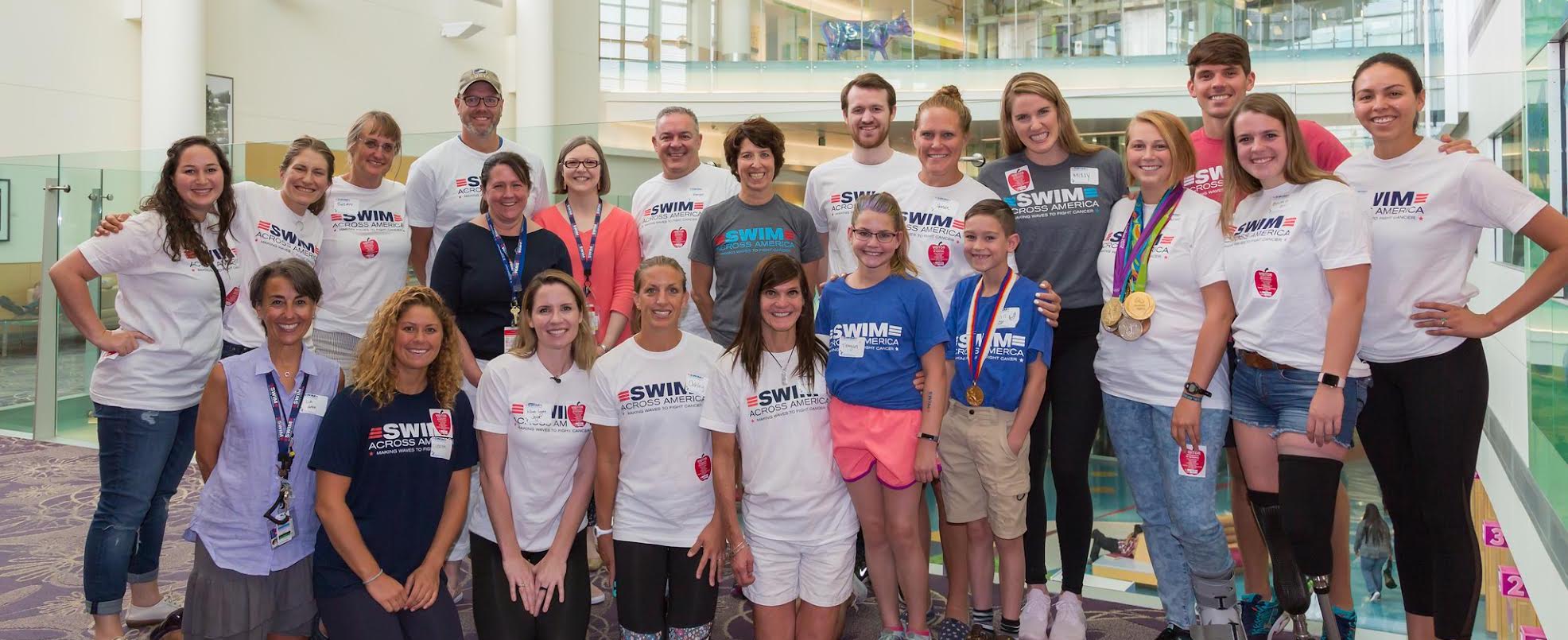
For 15 years, Swim Across America has fueled innovative early-stage research at Fred Hutch Cancer Center and UW Medicine and helped launch the careers of dozens of young scientists. We’re proud to share details about the six most recent projects made possible through funds raised in 2022 and 2023 by Swim Across America – Seattle and the dedicated swimmers who participated. From improving patients’ quality of life to overcoming tumors’ resistance to immunotherapy, these innovative projects have the potential to dramatically enhance cancer treatment.
Inspired to Make Waves to Fight Cancer this year? Swim, volunteer or donate to SAA-Seattle at swimacrossamerica.org/seattle.
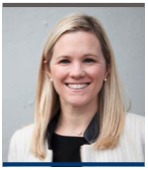
Kate Markey, MBBS, PhD, FRACP | Stem cell transplantation
Assistant Professor, Fred Hutch and UW Medicine
Project: Restoring the gut microbiome after blood stem cell transplant

Background: Fred Hutch researchers have shown that while blood stem cell transplantation continues to be the most effective treatment for multiple myeloma, it can also severely damage patients’ gut microbiome, leading to strong gastrointestinal side effects and poor outcomes. Dr. Markey, a medical oncologist who studies the gut microbiome and its role in recovery from transplant, developed a study to examine whether a five-week, plant based, whole-food diet can restore patients’ beneficial gut bacteria and improve immune function and outcomes.
2024 progress statement: Dr. Markey and her colleagues opened the trial in October, and by the end of the following month they had enrolled seven patients, or one-third of their goal. They are collecting stool and blood samples and plan to analyze all of them once the trial is complete. If all goes as expected this summer they intend to use the resulting data to apply for a federal research grant to support a much larger, randomized clinical trial.
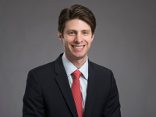
Alexandre Hirayama, MD | Blood cancers
Assistant Professor, Fred Hutch and UW Medicine
Project: Understanding how large B-cell lymphoma evades CAR T-cell therapy

Background: Less than half of patients who undergo CAR T-cell therapy for large B-cell lymphoma (LBCL) enjoy long-lasting remission. We’re not sure why, but the answer may lie in the tumor microenvironment. There’s still so much we don’t know about this collection of cells, stroma, and blood vessels that surround and support the tumor, including how it might suppress cancer therapies. Dr. Hirayama, who specializes in treating patients with B-cell malignancies, is studying the tumor microenvironment in minute detail to help identify and explain how patients’ tumors may mute CAR T cells’ effectiveness.
2024 progress statement: Dr. Hirayama has gathered the necessary tumor samples for these studies and refined the techniques and technologies that will allow him to study immune, stromal, and tumor cells in the tumor microenvironment. He expects to begin studying the samples in summer 2025.
Diane Tseng, MD, PhD | Lung cancer
Assistant Professor, Fred Hutch and UW Medicine
Project: Reducing inflammatory effects of immunotherapy in patients with lung cancer

Background: Many patients with lung cancer who are treated with checkpoint inhibitors experience a condition called checkpoint inhibitor pneumonitis (CIP). If left untreated, CIP can cause irreversible damage. Recent research shows that immune cells called napsin A–specific T cells may be involved in mediating CIP. Dr. Tseng, an oncologist who specializes in treating patients with lung cancer, is working with McGarry Houghton, MD — a Fred Hutch and UW Medicine professor and holder of the Satya and Rao Remala Family Endowed Chair — to study napsin A–specific T cells’ role in CIP and exploring strategies for muting it.
2024 progress statement: Dr. Tseng’s work has focused on 1) developing a method for detecting napsin A– specific T cells in donor blood; 2) developing a method for taking those cells and growing more of them in the lab; and 3) creating a test to determine whether a different T cell can eliminate them. This work will establish the foundations for understanding the function of napsin A–specific T cells and the role they might play in CIP.
Emily Liang, MD | Blood cancers
Hematology/oncology Fellow, Fred Hutch and UW Medicine
Project: Mitigating serious side effects of CAR T-cell therapies in patients with blood cancers
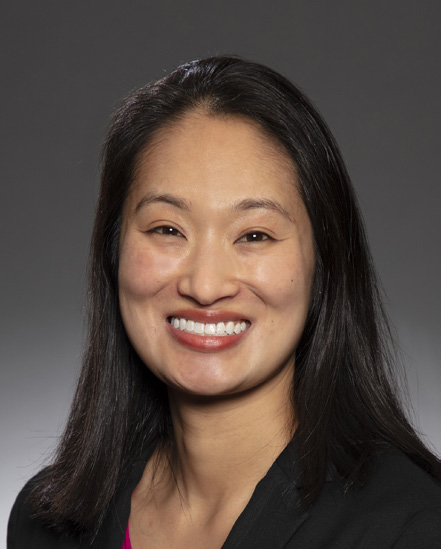
Background: While CAR T-cell therapy has revolutionized treatment for patients with blood cancers like lymphoma and multiple myeloma, it also comes with a high risk of fever, fatigue, body aches, and even neurologic impairment. Though these conditions are reversible, they can be life-threatening and prevent older and frailer patients from receiving CAR T-cell therapy at all. Dr. Liang, who specializes in acute leukemias and CAR T-cell therapy, and her mentor, Jordan Gauthier, MD, MSC, a Fred Hutch and UW professor and former Swim Across America funding recipient, want to make these treatments accessible to a wider range of patients. So, the pair launched a first of-its-kind trial to study whether a drug typically prescribed for rheumatoid arthritis called anakinra can prevent these inflammatory responses.
2024 progress statement: After treating more than 30 patients in their clinical trial, Drs. Liang and Gauthier found that prophylactic administration of anakinra did not seem to be effective in preventing cytokine release syndrome, a side effect associated with a high level of inflammation in the blood. However, prophylactic anakinra did seem to reduce the severity and duration of neurologic side effects as well as the need for steroids. Importantly, Drs. Liang and Gauthier also found that anakinra may impair the treatment’s effectiveness against tumors. Now, the pair are planning to study how anakinra mitigates inflammation in the brain, whether there may be alternative prevention strategies, and how anakinra impacts CAR T-cell function.
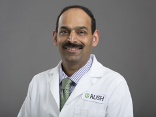
Saurav Kumar, PhD | Colorectal cancer
Postdoctoral Fellow, Fred Hutch
Project: Exploring new uses for existing drugs to treat colorectal cancer

Background: Colorectal cancer is one of several cancers driven by a process called gene fusion, in which two independent genes combine incorrectly and begin producing proteins that can lead to cancer. And though a range of drugs have been developed to target these fusions and stop the mechanism that promotes cancer growth, they’ve so far been ineffective against colorectal cancer. However, Dr. Kumar, who studies metastasis, recently discovered that patients with colon cancer who receive TRK inhibitors (TRKi) experience a drop in TRK fusion protein levels, suggesting that these inhibitors may be degrading the cancer-causing fusion proteins. He plans to study the interaction that causes this protein degradation with the goal of one day using TRKi to create more effective therapies for patients with this form of cancer.
2024 progress update: Dr. Kumar and his colleagues have developed three protein degraders, called PROTACs, based on an FDA-approved TRKi. Now they plan to begin testing them on colorectal cancer cells in the lab to better understand the mechanism that leads to TRK fusion protein degradation — which could one day inform the development of targeted therapies for patients with these cancers.
Yapeng Su, PhD | Pancreatic cancer
Postdoctoral Fellow, Fred Hutch
Project: Overcoming solid tumors’ resistance to immunotherapies
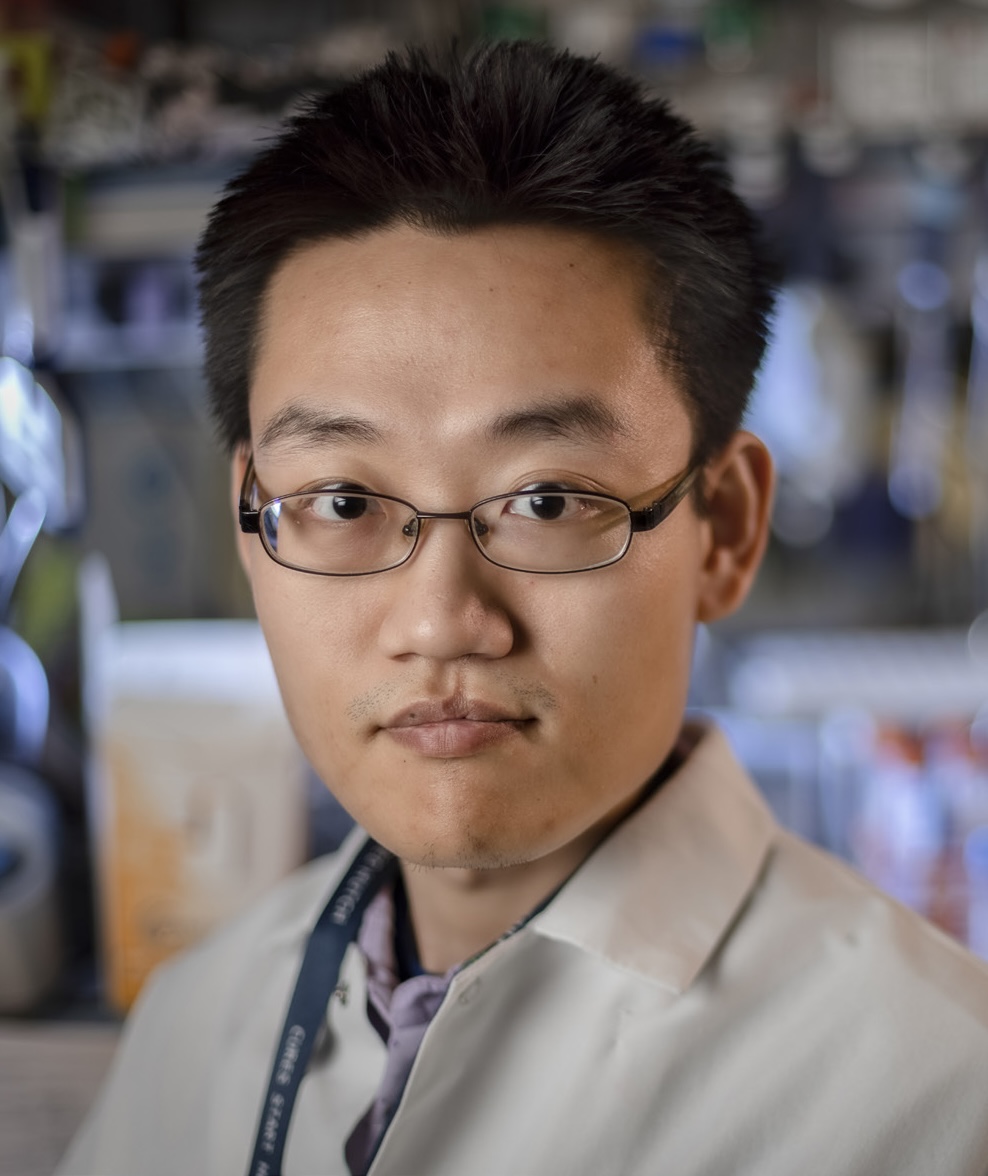
Background: Pancreatic cancer is notoriously difficult to treat. Though we’ve found a protein on tumor cells that would seemingly make for a good immunotherapy target, treatments that have been studied and validated in the lab fail in patients — likely due to unique characteristics of the tumor microenvironment. Using technology that allows us to see the interaction of cells within tumors and better understand how they influence one another, Dr. Su, who studies adoptive cellular immunotherapy, is examining the mechanisms that cause immunotherapies to fail and exploring techniques to overcome them.
2024 progress statement: After completing a detailed study of samples from tumors previously treated with adoptive T cell therapy, Dr. Su found that they contained several cell types that were both potentially immunosuppressive and arranged in distinct patterns throughout the tumor microenvironment. He also identified several subtypes of T cells (whose role is to attack cancer cells) that no longer functioned properly. In the coming months, Dr. Su plans to further analyze the T-cell subtypes and their placement within the tumor microenvironment to better understand why they stop working. What he finds could one day help us better engineer T cells to overcome those immunosuppressive forces.













 Swim Across America