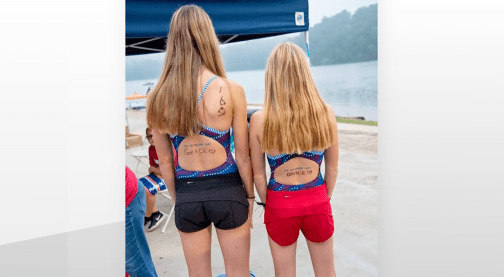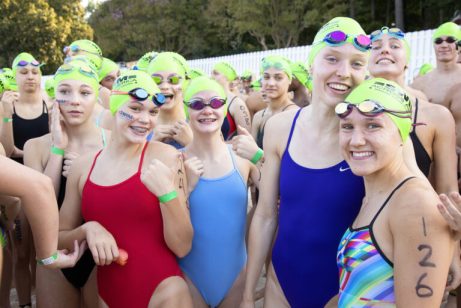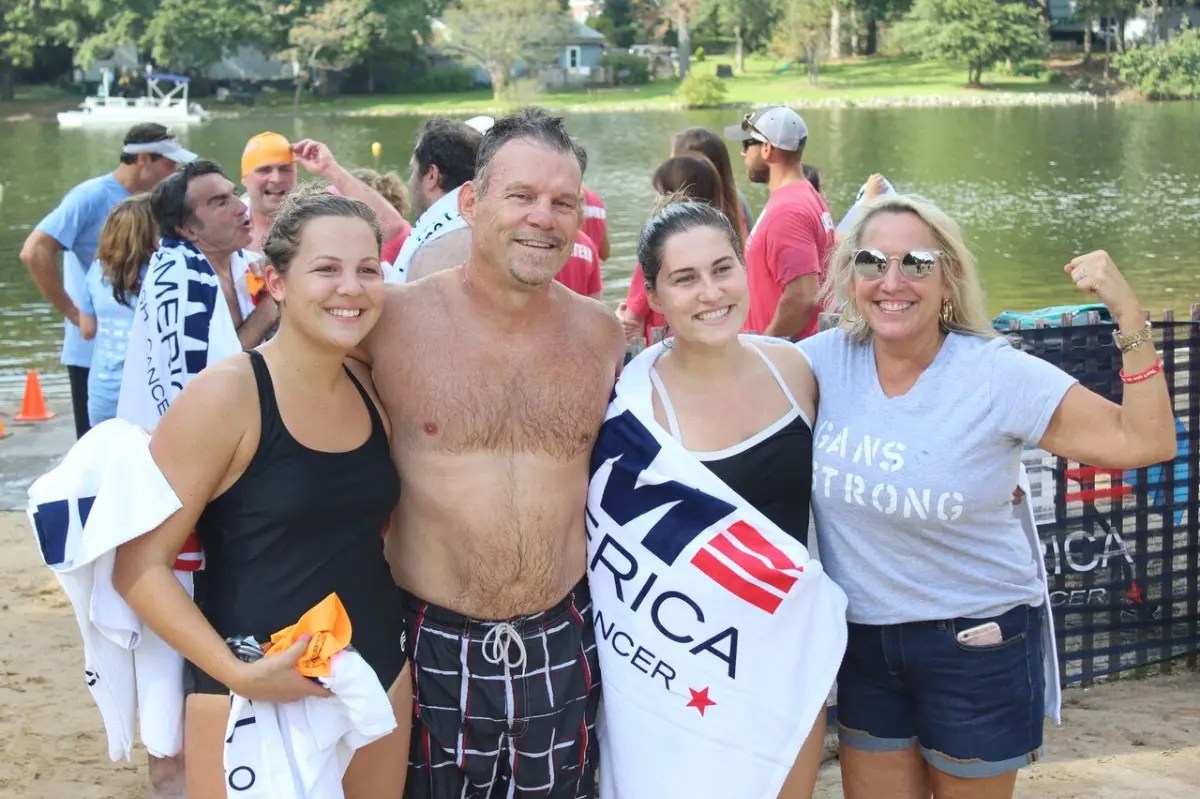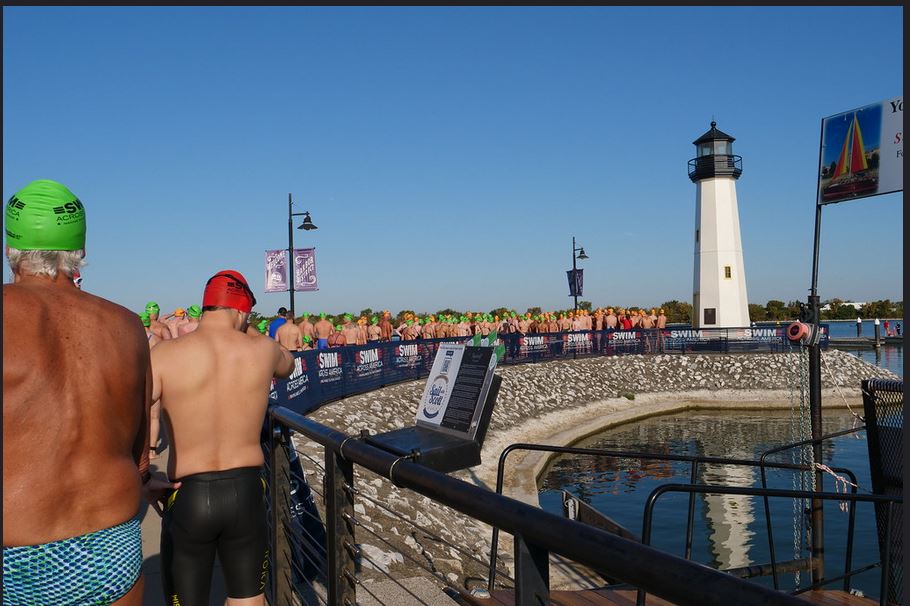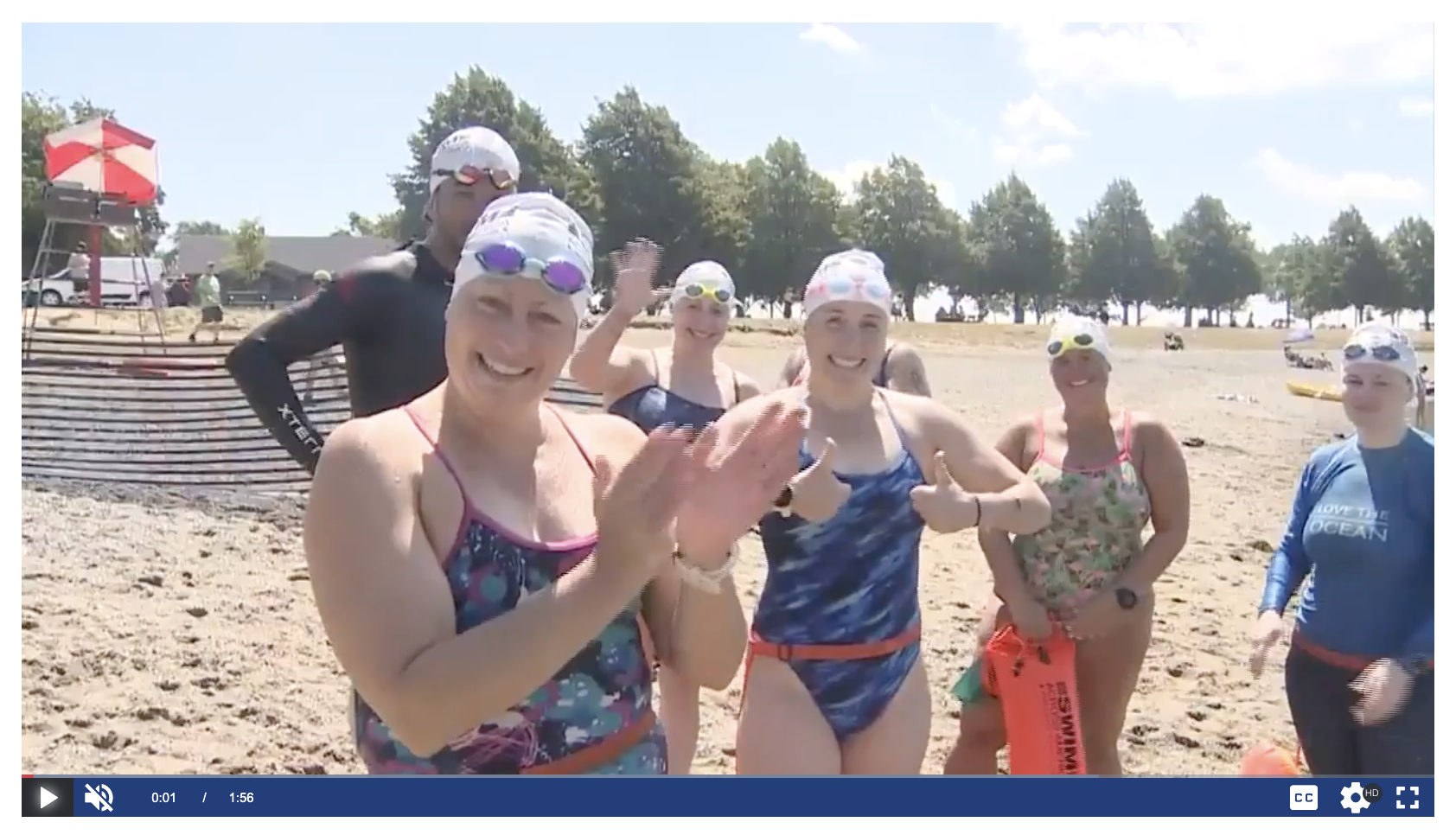
Here are some recent stories that display the impact all the members of the Swim Across America family have had in the Tampa community benefiting Rogel Cancer Center. If you would like to register, volunteer or donate, please visit swimacrossamerica.org/detroit.
Here are some recent stories that display the impact all the members of the Swim Across America family have had in the Charleston-Kiawah community benefiting MUSC Hollings Cancer Center. If you would like to register, volunteer or donate, please visit swimacrossamerica.org/kiawah.
Here are some recent stories that display the impact all the members of the Swim Across America family have had in the Nashville community benefiting Vanderbilt-Ingram Cancer Center. If you would like to register, volunteer or donate, please visit swimacrossamerica.org/nashville.
Here are some recent stories that display the impact all the members of the Swim Across America family have had in the Houston community benefiting MD Anderson Cancer Center. If you would like to register, volunteer or donate, please visit swimacrossamerica.org/houston.
Here are some recent stories that display the impact all the members of the Swim Across America family have had in the Tampa community benefiting Johns Hopkins All Chidren’s Hospital. If you would like to register, volunteer or donate, please visit swimacrossamerica.org/tampa.
With the support of Swim Across America grant funding, researchers at Rush University Medical Center are gaining momentum in their quest to discover the early detection tools and treatment options of the future in the fight against cancer. RUSH’s experts intimately understand the physical, emotional and financial burdens of cancer on patients’ lives, and they refuse to let the disease rest as the second leading cause of death in the U.S. Since 2012, Swim Across America–Chicago has awarded More than $2M that has funded these early stage research projects.
Dr. Carl Maki
Grant Recipient: Carl Maki, PhD Professor in the Department of Anatomy & Cell Biology at Rush Medical College
Project: Targeting proteins to improve drug responses for patients with treatment-resistant breast and lung cancers
Project Details: By studying cancer at the molecular level, Maki and his team have made significant strides in identifying promising new options for treatment-resistant breast and lung cancers.
In 2015 Maki received an SAA grant to study a family of enzymes known as prolyl peptidases (which regulate blood pressure and appetite) as a possible mechanism to help prevent or alleviate resistance to the drug tamoxifen, one of the most widely used therapies for the 80% of women with breast cancer whose tumors are considered estrogen receptor-positive. Maki and his team found that an enzyme inhibitor for prolyl peptidases, used in conjunction with tamoxifen, effectively killed breast cancer cells in rodents. Using these promising findings, Maki applied for and received a prestigious R01 research award for continued study from the National Institutes of Health and a grant from the Department of Defense to extend this research into triple-negative breast cancer.
In 2020 Maki was awarded another SAA grant to study proteins called histone demethylases in non-small cell lung cancer. Among the deadliest of all cancers, this accounts for about 4 in 5 lung cancer cases. Maki and his colleagues are studying how these proteins may allow lung cancer cells to resist the drugs currently used to treat the disease. By blocking these proteins, the team has been able to kill lung cancer cells in laboratory studies and lung tumors in mice. They identified a novel mechanism for how these inhibitors improve treatment outcomes and recently published their results.
“What starts out as an idea might result in something great,” Maki said. “SAA gives less established researchers a chance and helps all researchers fund pilot projects that ultimately can lead to bigger things.”
Dr. Animesh Barua
Grant Recipient: Animesh Barua, PhD Associate Professor in the Department of Anatomy & Cell Biology at Rush Medical College Director of the Proteomics Core and MicroRNA and Gene Expression Core
Project: Seeking an improved early detection test for ovarian cancer
Project Details: Throughout his career, Barua has relentlessly pursued the development of an effective early detection test for ovarian cancer. With an SAA grant received in 2020, he and his team are drawing upon extensive experience with immunoassays and ultrasound imaging of ovarian tumors to take the next steps forward in this important area of research. In this study, Barua’s lab is developing a fresh approach to early detection testing involving the fimbriae (fingerlike protein branches that guide an egg during ovulation) of the fallopian tubes. Emerging information shows that high-grade serous carcinoma — the most malignant and most common type of ovarian cancer — originates from the fimbriae. The aims of Barua’s study include identifying specific protein markers associated with cancer development in the fimbriae and determining the efficacy of these markers in predicting cancer growth.
Dr. Amanda Marzo
Grant Recipient: Amanda Marzo, PhD Assistant Professor in the Department of Internal Medicine, Division of Hematology, Oncology and Cell Therapy at Rush Medical College
Project: Bolstering the body’s natural immune response for greater success in the battle against breast cancer
Project Details: Tumor-infiltrating CD8 T-cells are essential for tumor immunity. However, many of these cells become exhausted and are unable to protect against tumor growth. Key molecules known as checkpoint inhibitors, such as programmed death-ligand 1 (PD-L1) expressed on tumor cells and programmed cell death protein 1 (PD-1) expressed on CD8 T-cells, have been shown to be a hallmark of CD8 T-cell exhaustion. For most tumors, blocking PD-1/PD-L1 signaling does not result in tumor rejection. A main cause for the ineffectiveness of checkpoint blockade immunotherapy lies in the dysfunctional state of CD8 T-cells once they enter the tumor. CD8 T-cells are specialized in killing tumor cells but face multiple suppressive signals that dampen their ability to effectively respond. Using an SAA grant received in 2019,Marzo and her colleagues seek to improve scientists’ understanding of how other immune-modulating treatments can improve CD8 T-cell responsiveness to checkpoint inhibitors. Specifically, the researchers aim to determine if metformin, an anti-diabetic drug, could enhance tumor-infiltrating CD8 T-cell responsiveness to PD-1 blockade therapy by altering breast cancer metabolism. The team also seeks to establish if bolstering the number of infiltrating CD8 T-cells into the tumor using interleukin-15 complexes (known to cause proliferation of cells and increase their killing ability) in combination with PD-1 blockade therapy could induce regression of established breast tumors and lead to long-term tumor immunity. Marzo and her team plan to publish the results of their study and are using preliminary data generated from this research to apply for a federal R21 grant.
Dr. Alan Blank
Grant Recipients: Alan T. Blank, MD, MS Assistant Professor in the Department of Orthopedic Surgery, Section of Orthopedic Oncology at Rush Medical College
Jitesh Pratap, PhD Associate Professor in the Department of Anatomy & Cell Biology at Rush Medical College
Dr. Jitesh Pratap
Project: Pursuing therapeutic approaches to prevent breast cancers from
metastasizing to the bones
Project Details: In this study funded by a 2019 SAA grant, Blank and Pratap seek to fulfill a need for the development of a therapy that can prevent primary breast cancers from metastasizing to the bones and surviving there. The researchers hypothesize, based on results of previous studies, that a subgroup of patients with breast cancer that has metastasized to the bone has high levels of autophagy (a process of recycling of cellular components), Runx2 proteins and acetylated α-tubulin — worsening their chances of survival. To investigate this, the researchers are working to determine the clinicopathologic association with the autophagy pathway in tumor samples from patients with cancer that has metastasized to the bone. They are also creating patient-derived xenograft models of bone metastasis. Blank and Pratap hope the results of this study will propel the development of better combinatorial therapeutic approaches to treat bone metastasis.
Dr. Faraz Bishehsari
Grant Recipient: Faraz Bishehsari, MD, PhD Associate Professor of Medicine & the Graduate College in the Department of Internal Medicine, Division of Digestive Diseases and Nutrition, Section of Gastroenterology at Rush Medical College Associate Director for Molecular & Translational Research for the Rush Center for Integrated Microbiome & Chronobiology Research
Project: Pursuing precision medicine to improve outcomes for pancreatic cancer patients
Project Details: Patients with pancreatic ductal adenocarcinoma — the most common form of pancreatic cancer — face poor survival rates, with only 6%-8% of patients surviving five years after diagnosis. This cancer does not respond well to targeted therapies. Bishehsari and his colleagues received an SAA grant in 2019 to establish a platform towards precision medicine in order to tailor therapies based on patients’ individual tumor characteristics. The researchers have developed primary cancer cells from a small tissue sample obtained during diagnostic pancreatic biopsies from pancreatic ductal adenocarcinomas. Molecular profiling of these patient-derived tumor organoids explained the variation in response to a variety of conventional and investigational therapies. They are optimizing this platform to help eventually establish individualized treatments for pancreatic cancer patients.
Dr. Jeff Borgia
Grant Recipient: Jeffrey A. Borgia, PhD Associate Professor in the Department of Anatomy & Cell Biology at Rush Medical College Director of the Rush University Cancer Center Biorepository and Rush Biomarker Development Core
Project: Identifying biomarkers for the improved evaluation and treatment of stage I non-small cell lung cancer
Project Details: Lung cancer is the leading cause of cancer-related mortality in the United States, but evidence is surfacing that widespread lung cancer screening programs may improve patient outcomes when the disease is detected early. Borgia and his team received an SAA grant in 2020 to develop a new diagnostic method to improve physicians’ ability to predict the recurrence of stage I non-small cell lung cancer, or NSCLC. This would help physicians identify patients who would benefit from adjuvant treatment options or closer surveillance. The aims of this study include identifying biomarkers for disease recurrence in stage I NSCLC patients and evaluating these biomarkers for their value in predicting recurrence.
Swim Across America has supported cancer research at Rush University Medical Center since 2012 through more than $2 million in grant funding. Together, Swim Across America and RUSH are relentlessly fighting cancer, working to save lives.
Swim Across America is excited to celebrate our team captains this year by introducing a team captain package! Once you register your team, you’ll receive the package in the mail that includes a new SAA baseball cap (pictured) and resources to be successful.
We hope you’ll be signing up to lead a team again this year and receiving one soon! There is also a new Team Captain Corner page on the website, where you can find everything from email templates to use with your teammates and donors, to online tools and social media resources. You can check out the page at www.swimacrossamerica.org/captains.
Carolyn Jaenisch, Caitlin Chestler, Gregory Chestler & Steve Chestler Swim Across America – Nassau/Suffolk 1 year with Swim Across America Steve 65; Raised over $100,000 with Team Carolyn
“We are looking forward to joining a community dedicated to fighting cancer, the disease that took Carolyn Jaenisch from us, while simultaneously doing something she loved : swimming.”
Carolyn Jaenisch’s diagnosis of Terminal Adenocarcinoma in July 2021 came as a shock to the entire family. She was an avid swimmer who swam with Long Island masters and Excel Swim Club for the past 21 years on Long Island. When she was diagnosed with Stage 4 Lung Cancer and had her first back operation she was told she would be swimming again in 2 months. Carolyn was all about family and swimming.
So when her family went looking for a charity event, they saw the SAA-Sound to Cove swim at Pryibil Beach on July 31, 2022, and got in touch with Swim Across America CEO Rob Butcher and local event chair Kevin Shine to learn more and make a plan to participate. Carolyn was so excited to get involved with Swim Across America.
Carolyn sadly passed away in November of 2021, just 4 months after her diagnosis, and before she could witness her family swimming in her honor. Carolyn’s passing left behind her husband, Steven Chestler, 24-year old son Gregory and 19-year old daughter Caitlin; and they are the founders of Team Carolyn for Swim Across America.
This July will be Team Carolyn’s first year participating in a Swim Across America event. “We are looking forward to joining a community dedicated to fighting cancer, the disease that took Carolyn Jaenisch from us, while simultaneously doing something she loved : swimming” says Steve Chestler. Steve, Caitlin, Gregory and other members of Team Carolyn have rallied together to raise an amazing $100,000 (and counting) to support cancer research and clinical trials.
“We know she would be honored that she has been supported and loved so much.”
Swim Across America is celebrating 35 years of impact in 2022. SAA has raised $100 million since its inception in 1987 to support cancer research and clinical trials across the U.S. Please contact Jeni Howard at jhoward@jhowardpr.com for media inquiries.
Swim Across America is excited to celebrate our top fundraisers with the 2023 WaveMaker gift! Swimmers and volunteers who raise $1,000 or more will receive an insulated 32 oz Wide-Mouth Hydro Flask water bottle.
As part of the WaveMaker club, we want you to show your SAA pride year-round with a Hydro Flask perfect for any occasion. Ideal for everyday and outdoor adventure, the Hydro Flask Wide-Mouth vacuum water bottle packs 32 oz. of hydration, and keeps your beverage hot or cold for hours. Want to take this awesome item home with you? Register today and set your fundraising goal to WaveMaker!
Make Waves to Fight Cancer while satisfying your required minimum distribution.
What is a QCD?
A qualified charitable distribution (QCD) is a distribution of funds from your IRA (excluding an ongoing SEP or SIMPLE IRA) directly to a qualified charitable organization, such as Swim Across America. Since the gift goes directly to the qualified charity without passing through your hands, the dollar amount of the donation may be excluded from your taxable income up to a maximum of $100,000 annually, with some exceptions. Please consult your tax advisor for information regarding your specific exceptions.
If you are 70.5 years or older, you can make tax-free gifts to Swim Across America of up to $100,000 from your IRA. Your donation will count toward your minimum required distribution.
How do I make a QCD to Swim Across America?
Contact your IRA custodian and request a direct transfer to:
Swim Across America, Inc. 8508 Park Road #389 Charlotte, NC 28210 Tax ID number: 22-3248256
Do not withdraw the funds and make a contribution yourself, or you will have to report the withdrawal as taxable income. If you are requesting the transfer at the end of the tax year, allow enough time for the transfer to complete by December 31.
Please note: we are not in a position to give formal tax advice, and we strongly advise you to have these gifts reviewed by your own qualified financial or tax advisors.